 (No Ratings Yet)
 Loading...
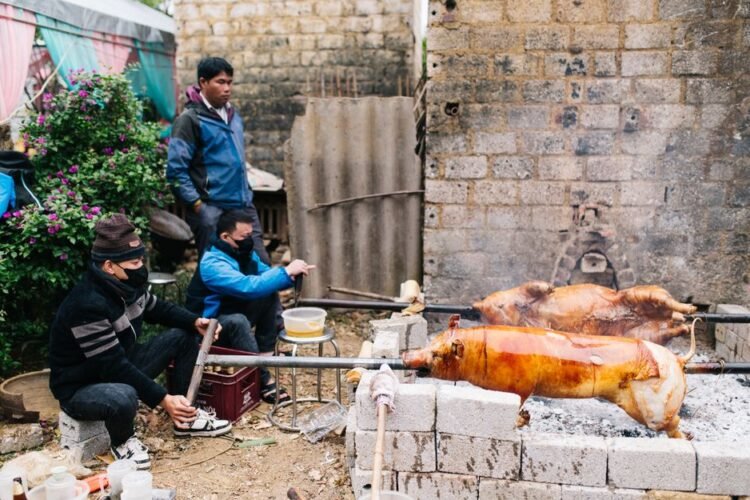
Hailing from Portugal's Bairrada wine region, this iconic roast features a young milk-fed pig marinated in garlic, bay leaves, and white wine, then slow-roasted until the skin turns into glassy golden crackling and the meat falls apart tender. Traditionally cooked over wood fires, the technique rewards patience with one of Europe's most celebrated pork dishes.
Prep Time30 mins
Cook Time120 mins
Total Time150 mins
Servings6
Yield6 servings
Nutrition Facts
Per serving (estimated)
- 520 kcalCalories
- 34 gFat
- 13 gSaturated Fat
- 3 gCarbs
- 0 gFiber
- 1 gSugar
- 44 gProtein
- 780 mgSodium
- 690 mgPotassium
- 45 mgCalcium
- 2 mgIron
- 2 mgVitamin C
- 20 mcgVitamin A
Ingredients
For the Marinade
- 10 garlic cloves, finely minced
- 2 dried bay leaves, crumbled
- 2 tablespoons coarse sea salt
- 1 tablespoon cracked black peppercorns
- 1 teaspoon sweet paprika
- 1 cup dry white wine (Bairrada recommended)
- 2 tablespoons white wine vinegar
- 3 tablespoons rendered pork lard, melted
For the Pig
- 1 whole suckling pig (about 8 to 10 lb), cleaned, butterflied, and backbone removed
- 2 cups dry white wine, for basting
- 1/2 cup pork lard or olive oil, for basting
- Coarse sea salt, for finishing the skin
For Serving
- Roasted baby potatoes tossed with garlic and olive oil
- Sliced fresh oranges or a simple watercress salad
- Crusty Portuguese country bread
- Piri-piri sauce or mild pickled peppers, for dipping
Directions
- In a small bowl, combine the minced garlic, crumbled bay leaves, sea salt, cracked pepper, paprika, white wine, vinegar, and melted lard, stirring into a thick, fragrant paste.
- Pat the suckling pig dry with paper towels. Using a sharp knife, score the skin in a tight diamond pattern without cutting into the flesh. Rub the garlic marinade thoroughly over the entire surface, working some under the skin where possible. Marinate at room temperature for 1 hour or refrigerate up to 12 hours.
- Position a rack in the lower third of the oven and preheat to 425°F (220°C). Place the pig skin-side up on a large roasting rack set over a deep pan to catch drippings. Tuck the legs and wings slightly inward and secure with butcher's twine if needed.
- Roast for 30 minutes at high heat to begin crisping the skin, basting every 10 minutes with the white wine and lard mixture to keep the surface moist.
- Reduce oven temperature to 325°F (165°C) and continue roasting for 75 to 90 minutes more, basting every 20 minutes. The skin should turn an even deep golden brown and feel firm and crackling when tapped.
- About 15 minutes before the end, sprinkle the skin lightly with extra coarse salt to boost the crackling texture and render any remaining surface fat.
- The pig is done when an instant-read thermometer inserted into the thickest part of the shoulder reads 170°F (77°C) and the juices run clear. Internal temperature of the loin should reach at least 160°F (71°C).
- Transfer the pig to a large wooden board and let rest for at least 15 minutes before carving. The skin will crisp further as it cools slightly.
- Carve through the ribcage into generous portions, ensuring each serving includes a piece of crackling skin and tender meat. Serve immediately with roasted potatoes, orange slices, and crusty bread.
- Strain the pan juices and serve in a small jug alongside, or drizzle directly over each portion for extra flavor.
Cook’s Notes
- A wood-fired oven is the traditional method and adds unmistakable smoky depth; if using a conventional oven, add a small pan of water to the bottom initially for humidity that helps render fat under the skin.
- Drying the skin thoroughly before marinating is the single most important step for achieving true crackling.
- Baste generously and often. The lard-and-wine mixture is what keeps the meat moist during the long roast.
- Suckling pig must be milk-fed and ideally under 6 weeks old for the characteristic pale, tender meat and delicate skin.
- Ask your butcher to butterfly the pig and remove the backbone, which makes handling and carving far easier at home.