 (No Ratings Yet)
 Loading...
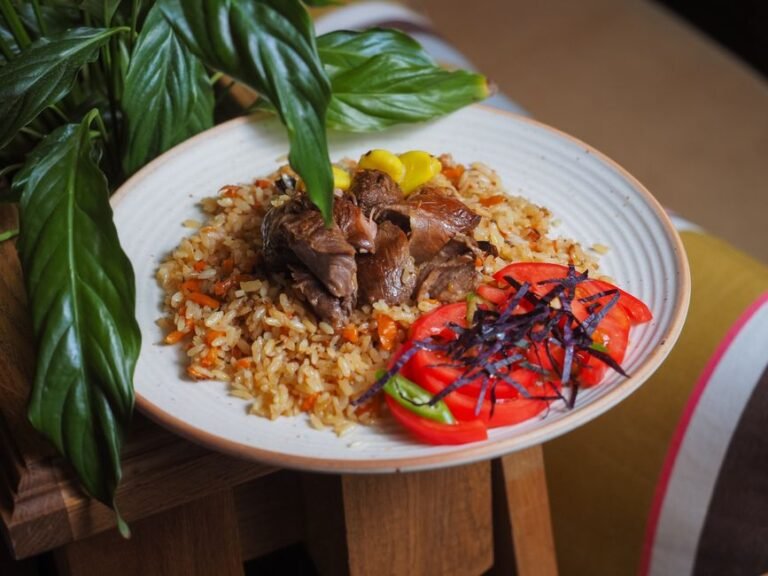
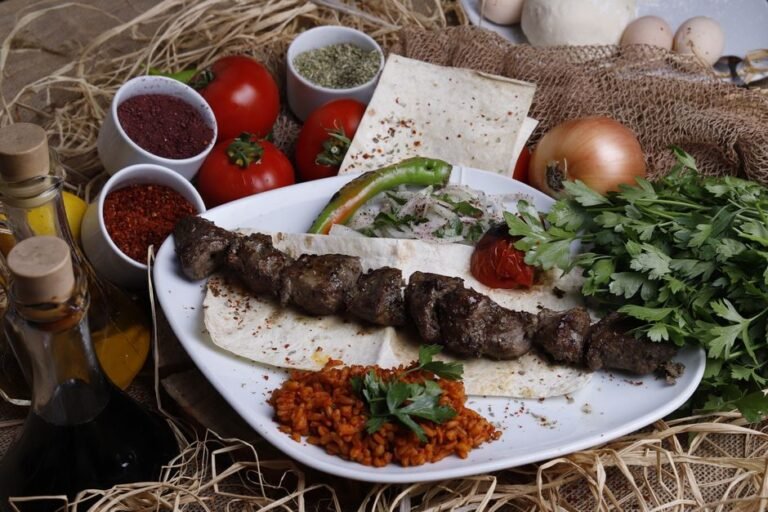
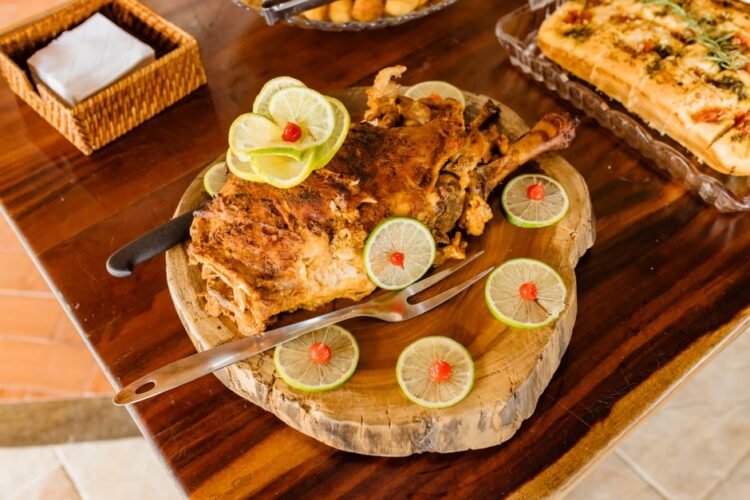
This Turkish classic transforms a humble lamb shoulder into a fall-apart, aromatic centerpiece. Marinated in spiced yogurt and roasted low and slow, the meat emerges meltingly tender beneath a deeply caramelized crust. Traditionally served with flatbread and rice pilaf, it captures the soul of Anatolian home cooking.
Prep Time20 mins
Cook Time300 mins
Total Time320 mins
Servings6
Yield6 servings
Nutrition Facts
Per serving (estimated)
- 510 kcalCalories
- 31 gFat
- 12 gSaturated Fat
- 9 gCarbs
- 1 gFiber
- 5 gSugar
- 47 gProtein
- 640 mgSodium
- 720 mgPotassium
- 110 mgCalcium
- 4 mgIron
- 9 mgVitamin C
- 60 mcgVitamin A
Ingredients
For the lamb and marinade
- 1 bone-in lamb shoulder, about 4 to 5 lbs
- 1 cup plain whole-milk yogurt
- 3 tbsp olive oil
- 2 tbsp tomato paste
- 6 cloves garlic, minced
- 2 tbsp ground cumin
- 1 tbsp smoked paprika
- 2 tsp kosher salt
For the roasting pan
- 1 large yellow onion, thickly sliced
- 4 cloves garlic, smashed
- 2 bay leaves
- 1 cup lamb or beef stock
- 1 tsp black pepper
- 2 tbsp pomegranate molasses
For serving
- 1/4 cup fresh flat-leaf parsley, chopped
- 1 lemon, cut into wedges
- Warm flatbread or rice pilaf
Directions
- Pat the lamb shoulder dry with paper towels. In a small bowl, mix olive oil, minced garlic, cumin, paprika, salt, and pepper into a thick paste, then rub it thoroughly over every surface of the lamb, pressing into the crevices.
- In a separate bowl, whisk together the yogurt, tomato paste, and the juice of half the lemon until smooth. Coat the lamb generously with this mixture, place in a large bowl or zip-top bag, and marinate in the refrigerator for at least 8 hours, ideally overnight.
- When ready to cook, preheat the oven to 325°F (160°C). Scatter the sliced onion and smashed garlic across the bottom of a heavy roasting pan and set a wire rack on top. Place the lamb on the rack and tuck bay leaves around it.
- Pour the stock into the base of the pan without washing over the yogurt crust. Cover the pan tightly with two layers of heavy aluminum foil, sealing the edges well to trap steam.
- Roast for 4 hours at 325°F without opening the foil. The lamb will release its own juices and steam gently in this closed environment, becoming incredibly tender.
- Remove the foil and increase the oven temperature to 425°F (220°C). Roast uncovered for 35 to 45 minutes, basting twice with the pan juices, until the exterior develops a deep mahogany, crackling crust.
- The lamb is ready when an instant-read thermometer inserted into the thickest part reads 200°F (93°C) and a fork slides in with almost no resistance. Transfer to a board and tent loosely with foil.
- While the lamb rests, strain the pan juices into a small saucepan, skim off excess fat, and simmer with the pomegranate molasses for 5 minutes until slightly syrupy.
- Rest the lamb for at least 20 minutes to allow juices to redistribute. Slice or pull the meat apart with two forks, discarding any large fat caps.
- Spoon the reduced pan juices over the lamb, scatter with parsley, and serve with lemon wedges and warm flatbread or rice pilaf.
Cook’s Notes
- Marinating overnight is essential; the lactic acid in yogurt gently tenderizes the meat while the spices penetrate deeply.
- If pomegranate molasses is unavailable, simmer 1/4 cup pomegranate juice with 1 tbsp honey and 1 tsp lemon juice until syrupy.
- Save the strained pan juices; they are liquid gold for drizzling over rice or whisking into a quick soup the next day.
- Leftover lamb keeps refrigerated for 3 days and freezes well for up to 3 months in airtight containers.
- For a smoky finish reminiscent of a traditional tandoor, add 1/2 tsp ground sumac to the spice paste.