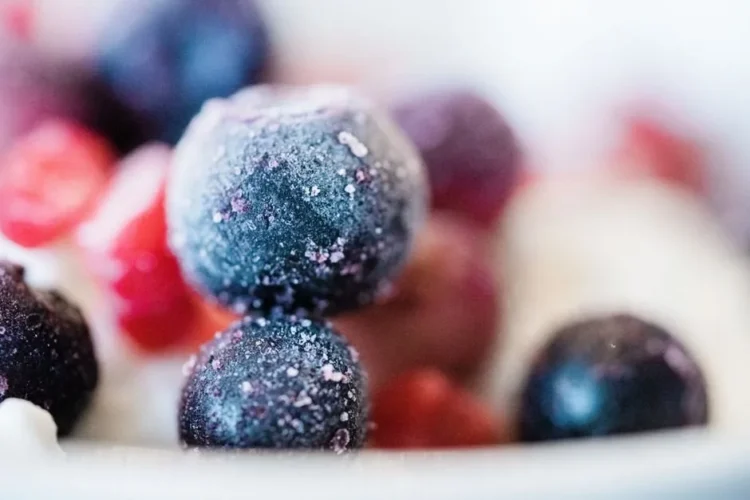
Açai is the small, dark purple drupaceous berry of a tropical Amazonian palm, traditionally consumed as a creamy pulp and now globally marketed as a nutrient-dense superfruit.
CategoryFruits
Scientific nameEuterpe oleracea
OriginAmazon River basin, northern Brazil (notably Pará state)
History & Origins
Açai has been a dietary staple of indigenous and ribeirinho peoples of the Amazon estuary for centuries, with ethnobotanical evidence suggesting long-standing use and a name derived from the Tupian language ("ïwasa'i," meaning "the fruit that cries"). Its international profile surged in the late 1990s and early 2000s when surfers and athletes in Rio de Janeiro promoted its energizing properties, transforming the berry into a global commodity and driving large-scale palm cultivation in the floodplains of Pará and Amapá.
Nutrition Facts
Per 100 g, edible portion (estimated)
- 60 kcalCalories
- 1.5 gProtein
- 4.8 gFat
- 4.1 gCarbs
- 2.6 gFiber
- 0.3 gSugars
- 124 mgPotassium
- 19 mgVitamin C
- 79 mcgVitamin A
Culinary Uses
- Traditional "açaí na tigela" bowl blended with tapioca or farofa and topped with fish or banana in the Amazon
- Smoothie bowls layered with granola, sliced fruit, and honey
- Frozen pulp stirred into water or guaraná soda to make the classic "açaí no copo" drink
- Freeze-dried açai powder whisked into juices, yogurts, and dessert recipes
- Ice creams, energy bars, and cocktail mixers in modern café culture
Known Benefits
- Exceptionally high anthocyanin content giving strong antioxidant capacity
- Heart-supportive fatty acid profile with oleic, palmitic, and linoleic acids
- Source of plant polyphenols associated with cardiovascular protection
- Provides dietary fiber supporting digestive health
Hidden Benefits
- Contains resveratrol and other stilbenes with anti-inflammatory potential
- Açai lipid fraction shows antimicrobial activity against foodborne pathogens in laboratory studies
- The dark pigments may help mitigate postprandial oxidative stress when eaten with carbohydrate-rich meals
Cautions & Considerations
- Fresh unprocessed pulp spoils within 24-48 hours due to rapid lipid oxidation
- Some individuals with pollen or palm-related allergies may react to açai products
- Commercial sweetened açai bowls can contain 30-60 g of added sugar, undermining nutritional benefits
- Wild-harvested berries in some regions may carry pesticide residues; sourcing matters
- Excessive consumption may interfere with iron absorption due to polyphenol-tannin content