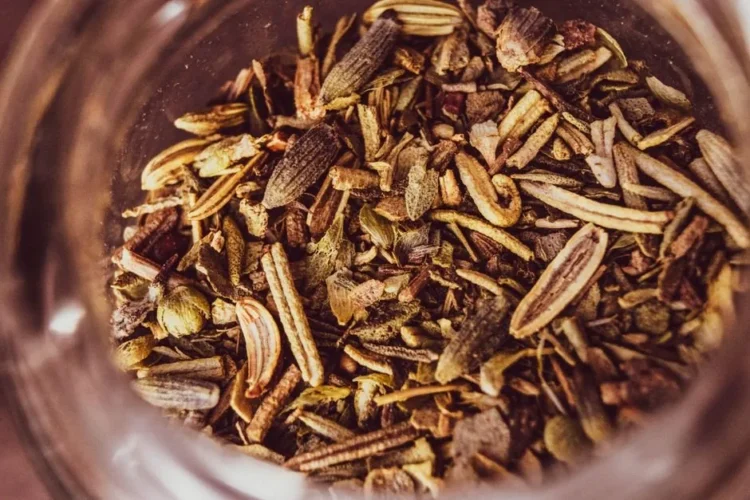
Black cumin, also called kalonji or nigella seed, is a small, matte-black, crescent-shaped seed with a pungent, slightly bitter, onion-and-pepper flavor prized across South Asian, Middle Eastern, and North African cuisines. The seeds are used whole, briefly toasted, or pressed for their aromatic oil.
History & Origins
Nigella sativa seeds have been used medicinally and as a condiment for at least 3,000 years; traces were found in Tutankhamun's tomb, and they are mentioned in the Hebrew Bible as 'ketzah' and in the prophetic medicine of early Islamic tradition. By the medieval period, the seeds were traded across the Mediterranean as both a culinary spice and a remedy for respiratory and digestive complaints, and they remain a fixture of Indian, Bangladeshi, Egyptian, and Turkish cookery today.
Nutrition Facts
Per 100 g, edible portion (estimated)
- 345 kcalCalories
- 16 gProtein
- 22 gFat
- 35 gCarbs
- 6 gFiber
- 1.7 gSugars
- 800 mgPotassium
- 570 mgCalcium
- 9.1 mgIron
- 7 mgVitamin C
Culinary Uses
- Sprinkled on naan, kulcha, and other Indian flatbreads before baking
- Used whole in Bengali panch phoron and South Indian tempering for dals and curries
- Ground and combined with sesame and fenugreek for Middle Eastern dukkah spice blends
- Steeped or sprinkled on pickles, salads, and fresh cheeses in Levantine and Turkish cuisine
Known Benefits
- Rich in thymoquinone, a bioactive compound studied for anti-inflammatory effects
- Provides dietary fiber, calcium, iron, and unsaturated fatty acids
- Traditionally used to aid digestion and relieve bloating after heavy meals
- Contains antioxidant flavonoids including quercetin and kaempferol
Hidden Benefits
- High in plant sterols that may support lipid balance
- Contains nigellone, studied for potential bronchodilatory effects
- Provides essential amino acids such as arginine and methionine
- May have mild antimicrobial activity against certain food-borne bacteria in vitro
Cautions & Considerations
- May slow blood clotting; discontinue before surgery or with anticoagulant therapy
- Pregnant women should avoid therapeutic doses due to possible uterine stimulation
- Topical oil can cause contact dermatitis in sensitive individuals
- May lower blood sugar, requiring monitoring when combined with diabetes medication





