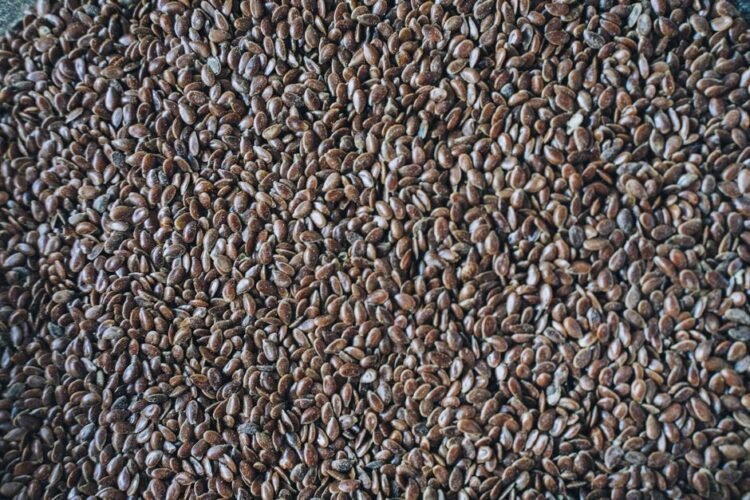
Ajwain is a small, seed-like fruit of the Trachyspermum ammi plant, highly valued in South Asian and Middle Eastern cuisines for its pungent, thyme-like flavor and aromatic properties.
History & Origins
Ajwain has been cultivated in the Indian subcontinent for over 3,000 years and is mentioned in ancient Ayurvedic texts for its medicinal properties. It spread westward through trade routes to Persia and the Arab world, becoming integral to Middle Eastern and North African cooking. The spice was introduced to Europe through the spice trade, though it remains more prominent in Asian and Middle Eastern cuisines. Traditional medicine systems, including Unani and Ayurveda, have long utilized ajwain for digestive ailments and respiratory conditions.
Nutrition Facts
Per 100 g, edible portion (estimated)
- 305 kcalCalories
- 8.9 gWater
- 17.1 gProtein
- 21.8 gFat
- 3.2 gSaturated Fat
- 36.2 gCarbs
- 26.4 gFiber
- 2.2 gSugars
- 1,530 mgPotassium
- 1,447 mgCalcium
- 13.3 mgIron
- 366 mgMagnesium
- 0 mgVitamin C
- 0 mcgVitamin A
- 0 mcgVitamin K
- 10 mcgFolate
Culinary Uses
- Ground or whole seeds added to breads, crackers, and savory pastries for aromatic flavor
- Used in pickling spices and masala blends such as panch phoron in Bengali cuisine
- Tossed with vegetables or legumes before roasting for enhanced depth
- Infused in oil or ghee as a tempering agent for dals and vegetable dishes
- Added to marinades for meats, particularly lamb and goat dishes
Known Benefits
- Traditionally used to relieve flatulence, bloating, and indigestion
- Contains thymol, a natural compound with antimicrobial properties
- May help stimulate appetite and improve digestion
- Has been used to alleviate coughs and bronchial congestion
Hidden Benefits
- Contains plant compounds that may help reduce blood pressure
- Rich in dietary fiber, supporting gut health and regular bowel movements
- Contains antioxidants that may help protect cells from oxidative damage
- May have anti-inflammatory properties beneficial for joint health
Cautions & Considerations
- May cause allergic reactions in individuals sensitive to other umbellifereae plants
- Pregnant women should consume in moderation due to potential uterine stimulation
- Can cause heartburn or gastric irritation when consumed in large quantities
- May interact with blood-thinning medications due to its anticoagulant properties