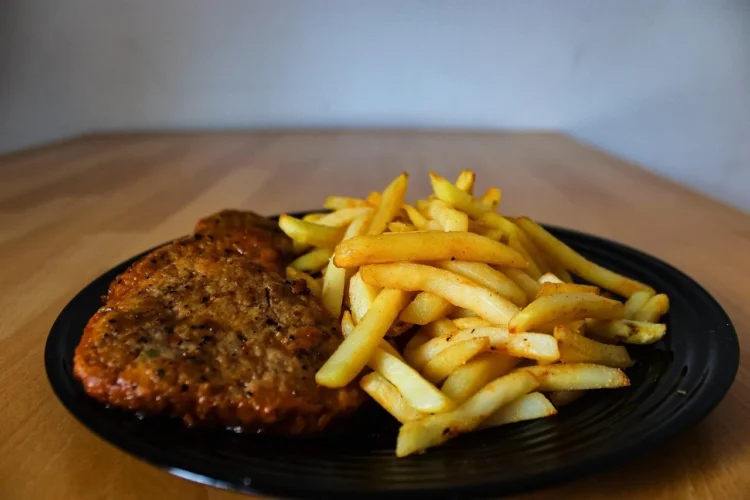
Bison meat, also marketed as buffalo, is the lean, deeply flavored red meat of the American bison, prized for its nutritional profile and historical ties to Indigenous Plains cultures. Modern commercial bison ranching emerged in the late 20th century as a sustainable alternative to beef.
History & Origins
Bison were the dietary cornerstone of numerous Plains Indigenous nations—including the Lakota, Blackfoot, and Comanche—for thousands of years, providing meat, hide, bone tools, and spiritual significance. Near-extinction in the late 19th century, with populations dropping from tens of millions to under one thousand by the 1880s due to commercial hunting and U.S. government policy, led to conservation efforts and the eventual revival of the species. Commercial bison ranching expanded significantly in North America from the 1980s onward, driven by demand for a leaner, pasture-raised alternative to conventional beef.
Nutrition Facts
Per 100 g, edible portion (estimated)
- 143 kcalCalories
- 20.2 gProtein
- 7.2 gFat
- 0 gCarbs
- 0 gFiber
- 0 gSugars
- 320 mgPotassium
- 3.0 mgIron
- 0 mgVitamin C
Culinary Uses
- Grilled bison ribeye and strip steaks, served rare to medium-rare to preserve moisture
- Slow-braised bison short ribs in tomato and red wine reductions
- Ground bison used in chili, meatballs, and burgers as a lean substitute for beef
- Dried bison jerky and traditional pemican-style preservation
Known Benefits
- Lower in total fat and saturated fat than grain-fed beef
- High in bioavailable heme iron and vitamin B12
- Excellent source of conjugated linoleic acid (CLA) and omega-3 fatty acids from grass-fed animals
- Rich in zinc and selenium, supporting immune function
Hidden Benefits
- Naturally higher creatine content favored by athletes for muscle energy
- Pasture-raised herds typically require no antibiotics or growth hormones
- Favorable omega-6 to omega-3 ratio compared with conventional grain-fed red meats
- Higher phospholipid content may improve cellular membrane function
Cautions & Considerations
- Cooks faster than beef due to lower fat content and can become dry if overcooked
- Not recommended for individuals with alpha-gal syndrome (red meat allergy)
- Wild-sourced bison must be inspected for brucellosis and other zoonotic diseases
- Higher purine content may affect those managing gout





