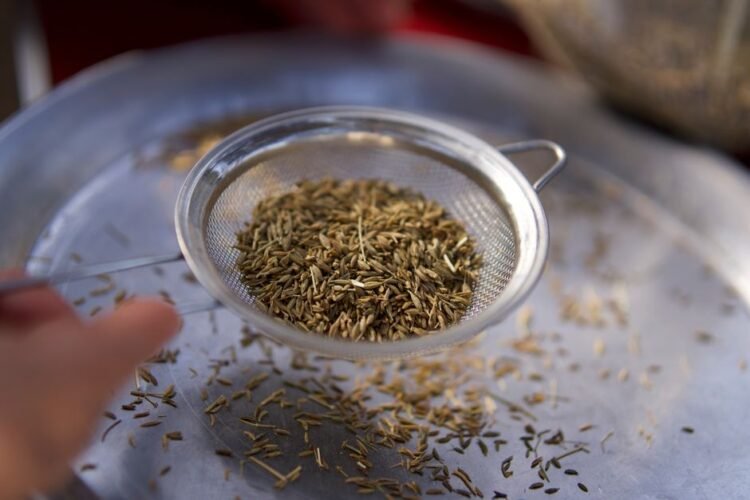
Also known as kalonji or black seed, Nigella sativa is a small, angular, matte-black seed with a pungent, slightly bitter, onion-pepper aroma used as a spice and traditional medicine across the Middle East, South Asia, and North Africa.
History & Origins
Nigella sativa seeds have been found in archaeobotanical deposits from Egypt's New Kingdom and were discovered in Tutankhamun's tomb (~1323 BCE). The seeds are mentioned in the Hebrew Bible (Isaiah 28:25, 27) and in classical Greek medical texts by Dioscorides and Galen. They became a staple of Islamic prophetic medicine under the name 'habbat al-barakah' (the blessed seed), and were traded along spice routes into medieval Europe where they were known as 'Roman coriander.'
Nutrition Facts
Per 100 g, edible portion (estimated)
- 345 kcalCalories
- 16.4 gProtein
- 22.2 gFat
- 44.2 gCarbs
- 10.5 gFiber
- 1.7 gSugars
- 808 mgPotassium
- 570 mgCalcium
- 7.6 mgIron
Culinary Uses
- Sprinkled on naan, kulcha, and other South Asian flatbreads before baking
- Toasted in oil as a tempering (tadka) for dals, curries, and vegetable dishes
- Ground and mixed into cheese, bread, and biscuit doughs in Middle Eastern baking
- Used to flavor pickles, chutneys, and traditional Persian and Bengali rice dishes like shahjahani biryani
Known Benefits
- Source of thymoquinone, a bioactive compound studied for antioxidant and anti-inflammatory effects
- Traditionally used to ease digestive discomfort, bloating, and flatulence
- Used in folk medicine as a galactagogue and to support respiratory health
- Applied topically in oils and salves for skin and joint complaints in Unani and Ayurvedic traditions
Hidden Benefits
- Contains fixed oils rich in linoleic and oleic acids that may support lipid metabolism
- Provides modest amounts of B-vitamins (thiamine, niacin, pyridoxine) and minerals like selenium and zinc
- Polyphenols in the seed coat may contribute to mild immune-modulating activity in vitro
- Roasting enhances nutty aroma while preserving most volatile oils if done at low temperature
Cautions & Considerations
- May lower blood glucose; diabetics on medication should monitor levels
- Uterine-stimulant properties mean high doses are not recommended during pregnancy
- Topical oil can cause contact dermatitis in sensitive individuals
- Seeds and oil can interact with anticoagulants, antihypertensives, and immunosuppressants; consult a clinician before therapeutic use


