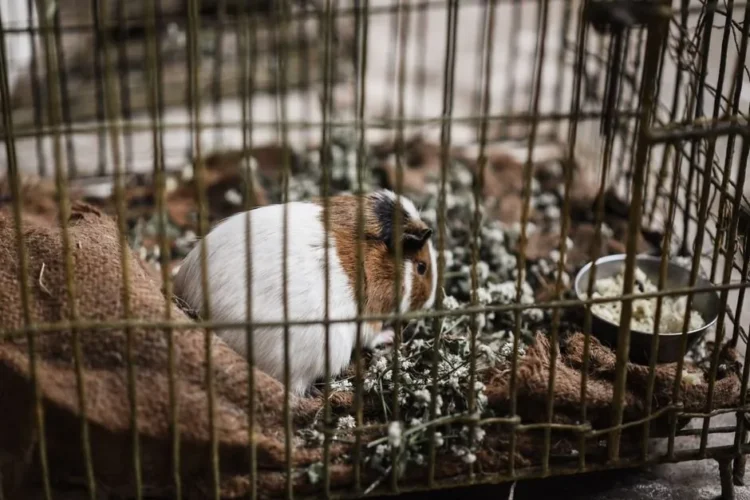
Cuy is the traditional Andean name for domesticated guinea pig, raised primarily for its lean, high-protein meat and served as a celebratory dish across the central Andes.
History & Origins
Domesticated by Andean peoples as early as 5000 BCE, the cuy served as both a vital protein source and a ceremonial offering in pre-Columbian societies including the Moche, Nazca, and Inca civilizations, where it was depicted on pottery and sacrificed in ritual feasts. Spanish chroniclers documented its central importance in 16th-century indigenous diets, and although it was exported to Europe, it became better known abroad as a pet rather than as food. Today Peru leads global consumption, with tens of millions eaten annually, and the dish remains a hallmark of Andean identity.
Nutrition Facts
Per 100 g, edible portion (estimated)
- 136 kcalCalories
- 21 gProtein
- 5 gFat
- 0 gCarbs
- 1.9 mgIron
Culinary Uses
- Roasted whole on spits (cuy al palo or chactado)
- Pan-fried and crisped (cuy frito)
- Grilled on skewers with aji marinades
- Stewed in hearty soups such as locro de cuy
Known Benefits
- Exceptionally high lean protein content
- Low in fat and cholesterol compared with most red meats
- Rich in bioavailable iron and vitamin B12
- Good source of zinc and niacin
Hidden Benefits
- Favorable omega-3 to omega-6 ratio relative to beef and pork
- Highly efficient feed conversion lowers environmental impact
- Higher digestibility than many larger livestock meats
- Contains useful levels of selenium and phosphorus
Cautions & Considerations
- Must be cooked thoroughly to avoid zoonotic bacterial contamination
- Improper evisceration can taint the meat with off-flavors from the digestive tract
- Strong gamey aroma unfamiliar to diners outside the Andes
- Sourcing from uncertified farms risks parasitic exposure