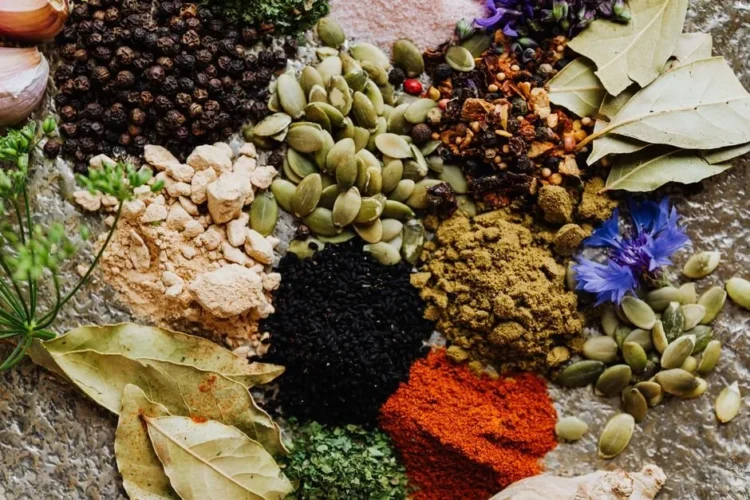
Small, triangular, matte-black seeds with a pungent, slightly bitter flavor combining notes of onion, oregano, and black pepper; widely used as a spice across Middle Eastern, South Asian, and North African cuisines. Often confused with, but botanically distinct from, true cumin (Cuminum cyminum) and black cumin (Bunium persicum).
History & Origins
Nigella sativa seeds have been used as a culinary and medicinal ingredient for at least three millennia, with archaeological finds in Egyptian sites including Tutankhamun's tomb and references in classical Greek and Ayurvedic texts. The seeds are honored in Islamic prophetic tradition as a 'seed of blessing' (habbat al-barakah) and were traded along the incense and spice routes linking South Asia to the Mediterranean. By the medieval period they were standard apothecary stock in both the Arab world and Europe, where they were known as 'Roman coriander.'
Nutrition Facts
Per 100 g, edible portion (estimated)
- 400 kcalCalories
- 17 gProtein
- 31 gFat
- 44 gCarbs
- 11 gFiber
- 1 gSugars
- 1788 mgPotassium
- 7 mgVitamin C
- 18 mcgVitamin A
Culinary Uses
- Sprinkled atop naan, kulcha, and other South Asian flatbreads before baking
- Component of Bengali five-spice blend panch phoron alongside fenugreek, cumin, fennel, and mustard seed
- Stirred into Turkish çörek and pide, and pressed into Palestinian and Lebanese string cheese
- Toasted and ground into Ethiopian berbere and Egyptian dukkah spice mixes
- Dry-toasted in oil as a tempering (tadka) for lentils, pickles, and vegetable curries
Known Benefits
- Rich source of thymoquinone, a bioactive compound with antioxidant properties
- Traditionally used to ease digestive discomfort and bloating
- Contains fixed oils studied for anti-inflammatory activity
- Long history of folk use for respiratory complaints such as cough and asthma
Hidden Benefits
- Demonstrated in vitro activity against certain foodborne bacteria including Staphylococcus aureus
- Synergistic effects reported when combined with piperine from black pepper or curcumin
- Cold-pressed oil shows relatively stable oxidative profile due to natural tocopherols
- Roasting slightly increases thymoquinone bioavailability compared with raw seeds
Cautions & Considerations
- May lower blood glucose and amplify antidiabetic drug effects
- Contains compounds that can stimulate uterine contraction; avoid therapeutic doses in pregnancy
- Topical oil occasionally causes contact dermatitis in sensitive individuals
- High doses have been associated with altered thyroid and hepatic markers in animal studies