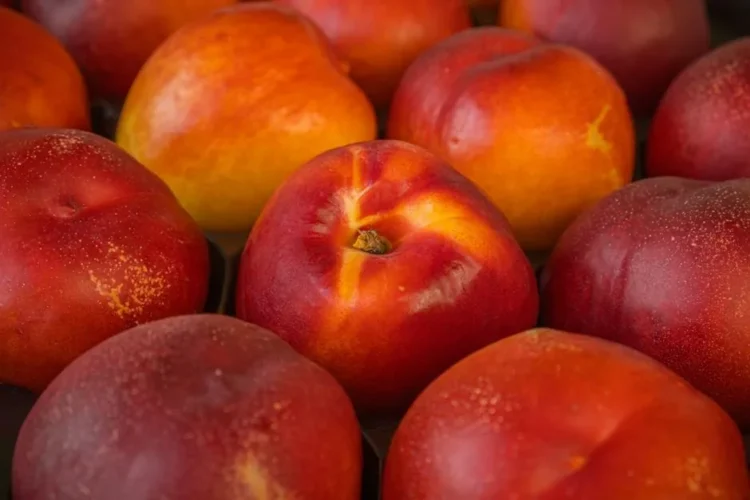
A smooth-skinned cultivar of the peach, the nectarine is a juicy stone fruit with aromatic flesh ranging from white to deep yellow. It is botanically identical to the peach except for a single recessive gene that eliminates the characteristic fuzzy skin.
CategoryFruits
Scientific namePrunus persica var. nucipersica
OriginTemperate regions of China; cultivated globally in Mediterranean climates including Italy, Spain, Turkey, the United States (especially California), and Chile
History & Origins
The nectarine has been cultivated in China for over 2,000 years, where it was long considered a mutant form of peach rather than a separate fruit. It spread west along trade routes and was documented in England by the 16th century; commercial cultivation expanded dramatically in the 20th century in California, where growers bred freestone varieties that became global supermarket staples from the 1950s onward.
Nutrition Facts
Per 100 g, edible portion (estimated)
- 44 kcalCalories
- 1.06 gProtein
- 0.32 gFat
- 10.55 gCarbs
- 1.7 gFiber
- 7.89 gSugars
- 201 mgPotassium
- 5.4 mgVitamin C
- 17 mcgVitamin A
Culinary Uses
- Eaten fresh as a snack or in fruit salads
- Grilled with prosciutto or balsamic glaze for savory starters
- Baked into tarts, galettes, and crumbles
- Pressed into juice or blended into smoothies and Bellinis
Known Benefits
- Rich in vitamin C and beta-carotene supporting immune function
- Provides potassium for blood pressure regulation
- Low glycemic index suitable for diabetic-friendly diets
- Source of dietary fiber aiding digestion
Hidden Benefits
- Contains phenolic compounds and anthocyanins with antioxidant activity
- Provides lutein and zeaxanthin beneficial for eye health
- Skin contains compounds with potential anti-inflammatory properties
- Natural sugars paired with fiber slow glucose absorption
Cautions & Considerations
- Frequent topical handling may cause contact dermatitis in sensitive individuals
- Pits contain cyanogenic glycosides and must be removed before serving children
- May trigger allergic reactions in those sensitive to Rosaceae family fruits
- Pesticide residue common on conventionally grown skins; opt for organic when possible





