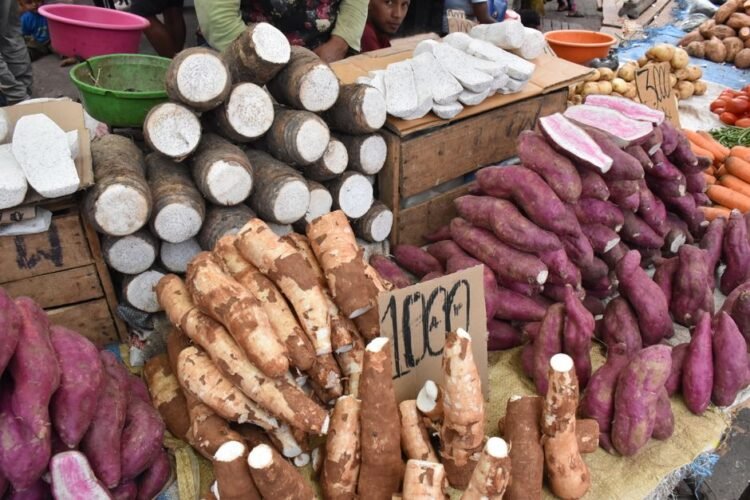
The tuberous root of the vigorous climbing kudzu vine, refined in Japan into a pure starch prized for its silky mouthfeel, translucent clarity, and gentle gelling strength in both sweet and savory preparations.
History & Origins
Kudzu has been cultivated in China and Japan for more than two millennia, with roots described for medicinal and culinary purposes in classical herbals such as the Shennong Bencao Jing. Refined kuzu starch became a cornerstone of Japanese confectionery by the Heian period (794–1185), used to set delicate wagashi that other starches could not clarify. In the late nineteenth century the vine was introduced into the American South for erosion control, where it has since become a notorious invasive species.
Nutrition Facts
Per 100 g, edible portion (estimated)
- 85 kcalCalories
- 0.7 gProtein
- 0.2 gFat
- 21 gCarbs
- 2.5 gFiber
- 1.8 gSugars
- 180 mgPotassium
- 12 mgVitamin C
Culinary Uses
- Kuzu starch dissolved in cold water and stirred into hot liquids to thicken clear sauces and custards
- Kuzukiri: chilled, translucent noodles made from set kuzu starch
- Kakkon: simmered cubes of fresh kudzu root in dashi-based broth
- Kuzu-yu: warm water whisked with kuzu starch and ginger as a soothing drink
Known Benefits
- Naturally gluten-free starch suitable for celiac and allergen-sensitive diets
- Rich in isoflavones such as puerarin, daidzin, and genistein
- Gently digestible carbohydrates favored in convalescent and pediatric cooking
Hidden Benefits
- Resistant starch develops when kuzu gels are cooled, supporting prebiotic gut fermentation
- Long-standing use in kampo medicine for stiff neck and shoulder discomfort
- Puerarin has been investigated for potential cardiovascular and neuroprotective properties
Cautions & Considerations
- Raw root must be thoroughly cooked to neutralize mildly irritant saponins and glycosides
- May interact with anticoagulant, antidiabetic, and thyroid medications due to isoflavone content
- Harvesting from invasive North American stands raises ecological-management concerns


