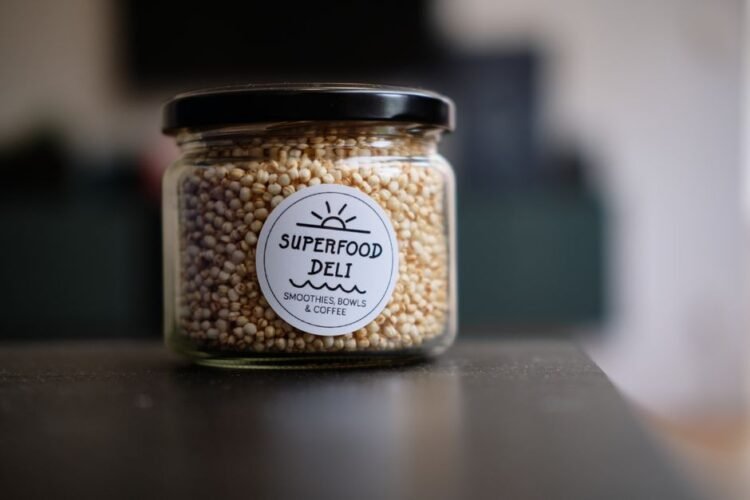
Quinoa is a starchy pseudo-cereal seed of the Amaranthaceae (formerly Chenopodiaceae) family, domesticated in the Andes for over 5,000 years and globally valued for its complete protein and gluten-free versatility.
History & Origins
Pre-Columbian Andean peoples first domesticated Chenopodium quinoa in the Lake Titicaca basin between roughly 3,000 and 5,000 BCE; the Inca Empire later revered it as chisaya mama ('mother grain') and used the harvest in ritual offerings. Spanish colonizers in the sixteenth century suppressed quinoa cultivation in favor of European wheat and barley, reducing it to subsistence plots on marginal highland farms until late twentieth-century revival efforts by Bolivian and Peruvian agronomists. The 2013 International Year of Quinoa, declared by the FAO, accelerated worldwide commercial production, although Bolivia and Peru still account for the majority of global exports.
Nutrition Facts
Per 100 g, edible portion (estimated)
- 120 kcalCalories
- 4.4 gProtein
- 1.9 gFat
- 21.3 gCarbs
- 2.8 gFiber
- 0.9 gSugars
- 172 mgPotassium
- 1.5 mgIron
- 64 mgMagnesium
- 42 mcgFolate
Culinary Uses
- Simmered in water or stock as a pilaf-style side dish replacing rice or couscous
- Wholesome breakfast porridge cooked with milk, cinnamon, and fresh fruit
- Cold salad base tossed with cucumber, tomato, parsley, lemon juice, and feta
- Ground into flour for gluten-free breads, pancakes, and baked goods
- Puffed or flake-pressed as a granola or breakfast-cereal ingredient
- Vegetable-burger binder mixed with beans, onions, and herbs
Known Benefits
- Complete protein providing all nine essential amino acids for plant-based diets
- Naturally gluten-free and suitable for celiac consumers
- High in magnesium, iron, and folate supporting red blood cell formation
- Rich in insoluble fiber and resistant starch that promote satiety and gut health
- Low glycemic index of approximately 53, supporting steady postprandial blood sugar
Hidden Benefits
- Seed coat saponins exhibit cholesterol-lowering and antimicrobial activity in studies
- Polyphenols such as quercetin and kaempferol contribute antioxidant and anti-inflammatory effects
- Pre-germination markedly increases vitamin B and C content and reduces cooking time
- Naturally contains plant-derived betalains also found in beets and amaranth
Cautions & Considerations
- Unrinsed grains carry bitter saponins that must be washed or pre-soaked before cooking
- Cross-reactivity possible for individuals allergic to other seeds or Chenopodium relatives like spinach
- Notable oxalate content warrants moderation in those prone to calcium-oxalate kidney stones
- Concurrent use with potassium-sparing diuretics may raise serum potassium levels


