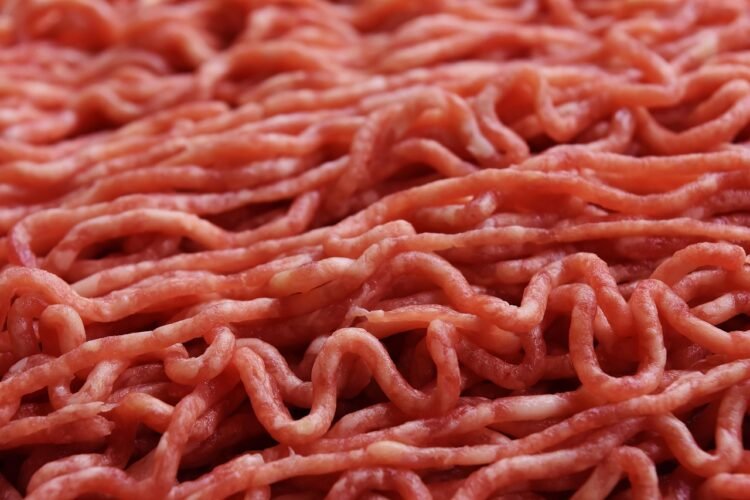
Rabbit meat is a lean, mildly sweet, finely textured white meat from domestic or wild rabbits, prized in European, North African, and increasingly North American farm-to-table cuisines.
CategoryMeats
Scientific nameOryctolagus cuniculus
OriginDomesticated in the Iberian Peninsula and southern France; wild ancestor native to southwestern Europe and North Africa
History & Origins
Domestic rabbit husbandry emerged during the Roman Empire, when hares were enclosed in leporaria for fur and flesh. Medieval French monasteries famously raised rabbits in walled gardens, classifying them as fish so the meat could be eaten during Lenten fasts. Spanish and French settlers later carried domestic rabbits to the Americas, where feral populations spread rapidly and the animal became both a homestead protein and a hunting quarry.
Nutrition Facts
Per 100 g, edible portion (estimated)
- 136 kcalCalories
- 20.1 gProtein
- 3.5 gFat
- 0 gCarbs
- 0 gFiber
- 0 gSugars
- 302 mgPotassium
- 1.6 mgIron
- 0 mgVitamin C
- 12 mcgVitamin A
Culinary Uses
- Braised in wine with mustard, thyme, and juniper (French civet de lapin)
- Grilled or roasted with garlic, rosemary, and olive oil (Italian coniglio arrosto)
- Slow-stewed with tomatoes and peppers (Spanish conejo a la cazadora)
- Pan-seared saddle or loin served rare to preserve moisture
Known Benefits
- Exceptionally lean, with less fat than chicken breast
- High in bioavailable vitamin B12 for nervous-system health
- Provides complete protein with all essential amino acids
- Good source of selenium, phosphorus, and niacin
Hidden Benefits
- Low allergenic potential compared to beef or pork proteins
- Rabbits convert feed to meat more efficiently than cattle or sheep
- Naturally contains conjugated linoleic acid (CLA) in moderate amounts
- Higher meat-to-bone yield than most livestock
Cautions & Considerations
- Wild rabbit must be cooked thoroughly to neutralize tularemia bacteria
- Very low fat content causes rapid drying if overcooked
- Small, brittle leg bones splinter easily during chewing
- Stronger gamey notes may be off-putting to diners used to chicken