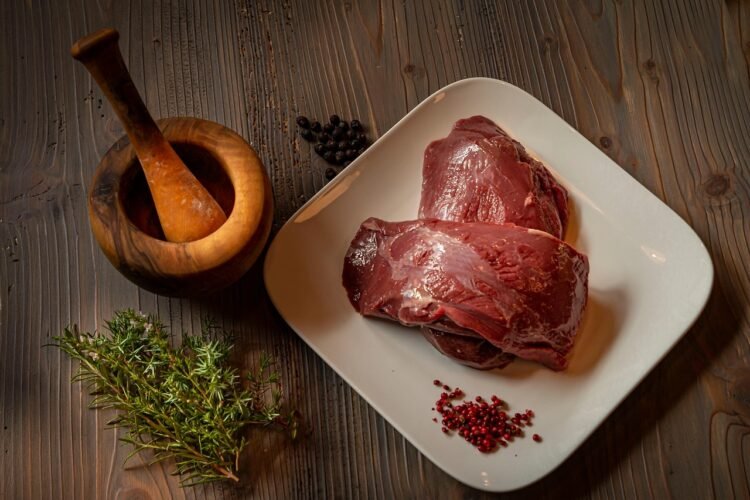
Venison is the lean, dark red meat of deer, prized for its rich, slightly gamey flavor and exceptional nutritional profile with high protein and low fat content compared to conventional livestock.
History & Origins
Venison has been a staple food for human populations since prehistoric times, with archaeological evidence of deer hunting dating back over 400,000 years across Europe and Asia. Medieval European nobility considered venison a prestigious dish, often protected by harsh forest laws that reserved the best cuts for royalty and aristocracy. Indigenous peoples of North America utilized every part of the deer and developed sophisticated sustainable hunting practices. Commercial venison farming emerged in the 1970s in New Zealand, which became the world's largest producer and exporter. Today, New Zealand, Germany, and the United States are major producers, with venison gaining popularity among health-conscious consumers seeking alternative red meats.
Nutrition Facts
Per 100 g, edible portion (estimated)
- 120 kcalCalories
- 67 gWater
- 26 gProtein
- 3.2 gFat
- 1.4 gSaturated Fat
- 0 gCarbs
- 0 gFiber
- 0 gSugars
- 318 mgPotassium
- 5 mgCalcium
- 3.4 mgIron
- 26 mgMagnesium
Culinary Uses
- Slow-braised or slow-cooked in stews and chilies for tender texture
- Ground into burgers, sausages, and meatballs
- Roasted whole loins or racks with herb crusts for fine dining
- Smoked and cured into jerky or prosciutto-style preparations
- Pan-seared medallions paired with dark fruits like cherries or berries
Known Benefits
- Very high protein content supporting muscle maintenance and growth
- Significantly lower in fat and saturated fat than beef or lamb
- Rich in iron, particularly heme iron which is easily absorbed
- Excellent source of vitamin B12 essential for nerve function
- Contains selenium supporting thyroid function and immunity
Hidden Benefits
- Higher in omega-3 fatty acids than conventional meat when from grass-fed deer
- Contains conjugated linoleic acid (CLA) which may have anti-inflammatory properties
- Provides creatine supporting muscle energy during physical activity
- Contains carnosine which acts as an antioxidant in muscle tissue
- Generally free from growth hormones and antibiotics used in conventional livestock farming
Cautions & Considerations
- Not suitable for individuals with alpha-gal syndrome (red meat allergy transmitted by Lone Star tick)
- Higher purine content may trigger gout flare-ups in susceptible individuals
- Game meat may harbor parasites or bacteria if not properly handled or cooked to appropriate temperature
- Wild deer may accumulate environmental contaminants such as lead or cadmium
- Should be cooked thoroughly to minimum 63°C (145°F) internal temperature to ensure food safety