 (No Ratings Yet)
 Loading...
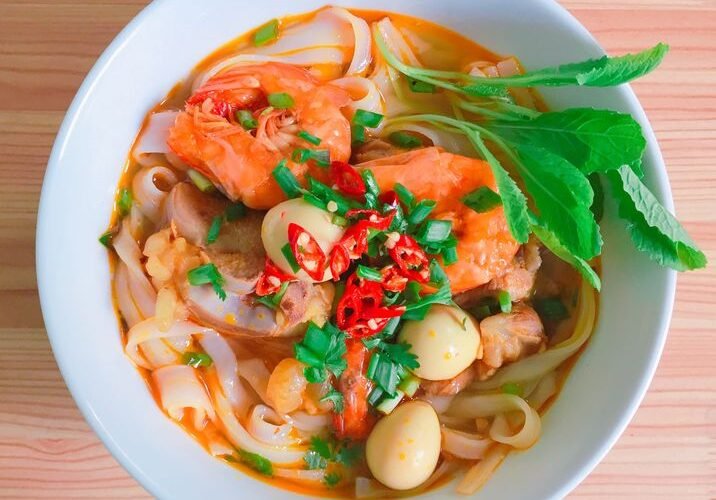
A signature hearty bowl from Batangas province, this thick Filipino noodle soup is built on a glossy, egg-thickened pork and shrimp broth loaded with fresh egg noodles, tender pork belly, liver, shrimp, and fish balls. Each bowl is finished with crunchy garlic, raw bean sprouts, and a squeeze of calamansi for a rich yet balanced bite.
Prep Time20 mins
Cook Time30 mins
Total Time50 mins
Servings4
Yield4 generous bowls
Nutrition Facts
Per serving (estimated)
- 720 kcalCalories
- 32 gFat
- 10 gSaturated Fat
- 68 gCarbs
- 4 gFiber
- 5 gSugar
- 38 gProtein
- 1480 mgSodium
- 780 mgPotassium
- 140 mgCalcium
- 6 mgIron
- 22 mgVitamin C
- 3200 mcgVitamin A
Ingredients
For the broth and seasoning
- 8 cups (2 L) chicken or pork broth
- 2 tbsp fish sauce (patis)
- 1 tbsp soy sauce
- 1 tsp freshly ground black pepper
For the proteins
- 300 g (10 oz) pork belly, sliced into thin strips
- 150 g (5 oz) pork liver, diced small
- 200 g (7 oz) medium shrimp, peeled and deveined
- 4 fish or squid balls (about 120 g), sliced into rounds
- 2 large eggs, lightly beaten
For the aromatics and base
- 2 tbsp neutral cooking oil
- 1 large yellow onion, finely chopped
- 6 cloves garlic, minced
- 3 tbsp cornstarch mixed with 1/4 cup (60 ml) cold water
For the noodles and vegetables
- 500 g (1.1 lb) fresh thick egg noodles (miki/lomi noodles), separated
- 2 cups (140 g) Napa or green cabbage, shredded
- 1 large carrot, peeled and julienned
- 1 cup (100 g) fresh bean sprouts, rinsed
For serving
- 4 stalks green onions, thinly sliced
- 1/2 cup crispy fried garlic
- 1 cup raw bean sprouts, for topping
- 4 calamansi or lemon wedges
Directions
- Heat the oil in a large heavy pot over medium-high heat. Sauté the onion for 2 minutes until translucent, then add the garlic and cook for 30 seconds until fragrant.
- Add the pork belly and cook for 4-5 minutes, stirring occasionally, until lightly browned and the fat begins to render. Stir in the diced pork liver and cook for 2 minutes more.
- Add the shrimp and sliced fish balls; stir for 1 minute until the shrimp just turns pink. Pour in the broth, fish sauce, soy sauce, and black pepper, and bring to a rolling boil.
- Add the shredded cabbage and julienned carrot, and simmer for 3 minutes until just tender but still crisp. Stir the cornstarch slurry once more and slowly pour it into the broth while whisking constantly; let the soup simmer for 2 minutes to thicken into a glossy, velvety consistency.
- Add the fresh thick egg noodles, gently pushing them down into the broth, and cook for 3-4 minutes until heated through and softened while keeping their chewy bite.
- With the soup at a gentle simmer, slowly drizzle the beaten eggs in a thin stream while stirring the broth in one direction to create silky egg ribbons. Taste and adjust seasoning with more fish sauce if needed.
- Ladle the noodle soup into four deep bowls, making sure each gets an even share of noodles, pork, liver, shrimp, and vegetables.
- Top each bowl with sliced green onions, a generous spoonful of crispy fried garlic, and a small handful of raw bean sprouts. Serve immediately with a calamansi wedge on the side for squeezing over the soup.
Cook’s Notes
- Use fresh thick egg noodles (sold in the refrigerated section of Asian markets) for the authentic chewy, slippery texture; dried noodles will need longer cooking and won't absorb the broth as well.
- Do not skip the cornstarch slurry—it is what gives Batangas-style lomi its signature thick, glossy body that clings to the noodles instead of a clear broth.
- For extra richness, render the pork belly slowly first and use a few tablespoons of the pork fat to sauté the aromatics.
- Add the bean sprouts raw at the table so they stay crunchy; wilting them in the pot will make the soup lose its signature textural contrast.
- Leftover broth can be stored separately from the noodles for up to 2 days in the fridge; reheat and cook fresh noodles when serving to prevent sogginess.