 (No Ratings Yet)
 Loading...
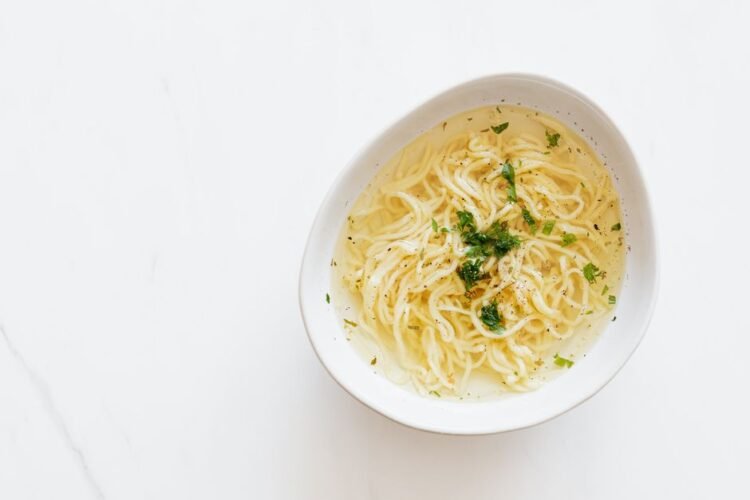
Sopa de Vermicelli is a beloved everyday soup in Mozambican home cooking — light yet satisfying, built on a fragrant chicken broth with seasonal vegetables and delicate vermicelli noodles. This version layers carrots, potato, and cabbage simmered with tomato and bay leaf, then finishes the pasta right in the pot and brightens the bowl with cilantro and a squeeze of lime.
Prep Time15 mins
Cook Time45 mins
Total Time60 mins
Servings4
Yield4 generous bowls
Nutrition Facts
Per serving (estimated)
- 380 kcalCalories
- 12 gFat
- 3 gSaturated Fat
- 38 gCarbs
- 4 gFiber
- 6 gSugar
- 30 gProtein
- 720 mgSodium
- 720 mgPotassium
- 80 mgCalcium
- 3.5 mgIron
- 25 mgVitamin C
- 350 mcgVitamin A
Ingredients
For the chicken broth
- 1.5 lb (about 700 g) bone-in chicken thighs and drumsticks
- 8 cups cold water
- 1 medium yellow onion, quartered
- 4 garlic cloves, smashed
- 2 bay leaves
- 1 tsp whole black peppercorns
For the vegetable base
- 2 tbsp olive oil
- 1 small onion, finely chopped
- 2 garlic cloves, minced
- 1 large ripe tomato, grated (about 1 cup pulp)
- 2 medium carrots, sliced into rounds
- 1 medium Yukon gold potato, peeled and cubed
- 2 cups shredded green cabbage
- 1 1/4 tsp fine sea salt, plus more to taste
For the vermicelli and finish
- 4 oz (115 g) thin vermicelli, broken into 2-inch pieces
- 2 tbsp chopped fresh cilantro
- 1 tbsp chopped fresh flat-leaf parsley
- 1 lime, cut into wedges
- Piri-piri sauce or chili oil, for serving
Directions
- Make the broth: combine the chicken pieces, cold water, quartered onion, smashed garlic, bay leaves, and peppercorns in a large pot. Bring to a gentle simmer over medium-high heat, skim any foam that rises, reduce the heat to low, and cook uncovered for 35 minutes until the chicken is tender and the broth tastes rich.
- Strain the broth into a clean pot and reserve the chicken. When the chicken is cool enough to handle, pull the meat from the bones and tear it into bite-sized pieces; discard the skin and bones. Skim any excess fat from the surface of the broth if you like.
- Build the base: heat the olive oil in the broth pot over medium heat. Add the chopped onion and cook 4 to 5 minutes until translucent, then stir in the minced garlic and cook 30 seconds until fragrant.
- Add the grated tomato and cook 3 to 4 minutes, stirring often, until the pulp thickens and turns a deeper red. Pour in the strained broth, scrape up any browned bits, and bring to a steady boil.
- Add the carrots and potato and simmer 8 to 10 minutes until just tender. Stir in the cabbage and cook 2 more minutes until wilted but still bright.
- Drop in the vermicelli and simmer 3 to 4 minutes, stirring once or twice, until the strands are tender but still hold their shape. Return the shredded chicken to the pot and warm through for 1 minute.
- Season with the salt and plenty of black pepper, taste and adjust. Off the heat, stir in the chopped cilantro and parsley.
- Ladle into warm bowls and serve right away with lime wedges and piri-piri sauce on the side so each person can brighten and spice their bowl to taste.
Cook’s Notes
- Use bone-in chicken pieces for the richest broth; boneless breasts will work but the resulting soup tastes noticeably lighter.
- Cook the vermicelli separately and add it to each bowl at serving time if you plan to refrigerate leftovers, otherwise the noodles will absorb the broth and turn mushy overnight.
- Swap in grated pumpkin or butternut for the potato during cooler months for a slightly sweet, heartier bowl that is very traditional in Maputo home kitchens.
- For a vegetarian version, replace the chicken with 1 1/2 cups cooked red kidney beans and use vegetable broth seasoned with an extra bay leaf and a parmesan rind while simmering.
- If you can find maçambique (coriander) leaves, swap them in for the cilantro — they bring a brighter, almost citrusy note that is classic in coastal Mozambican cooking.