 (No Ratings Yet)
 Loading...
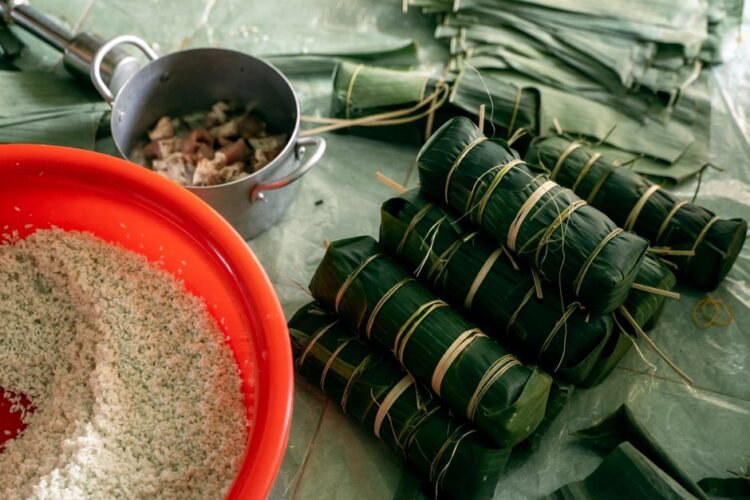
Pasteles are the crown jewel of Puerto Rican holiday cooking, and the New York diaspora has put its own stamp on the dish with easier-to-find root vegetables and bold seasoning. These banana-leaf parcels of grated yuca, green plantain, and potato are wrapped around a savory pork picadillo studded with olives and raisins. Boiled until tender, they taste like Christmas in Loisaida.
Prep Time90 mins
Cook Time105 mins
Total Time195 mins
Servings4
Yield12 pasteles (4 servings)
Nutrition Facts
Per serving (estimated)
- 620 kcalCalories
- 26 gFat
- 7 gSaturated Fat
- 68 gCarbs
- 5 gFiber
- 9 gSugar
- 32 gProtein
- 780 mgSodium
- 980 mgPotassium
- 85 mgCalcium
- 4.2 mgIron
- 38 mgVitamin C
- 185 mcgVitamin A
Ingredients
For the root vegetable masa
- 2 lb yuca (cassava), peeled and cored
- 2 large green plantains, peeled
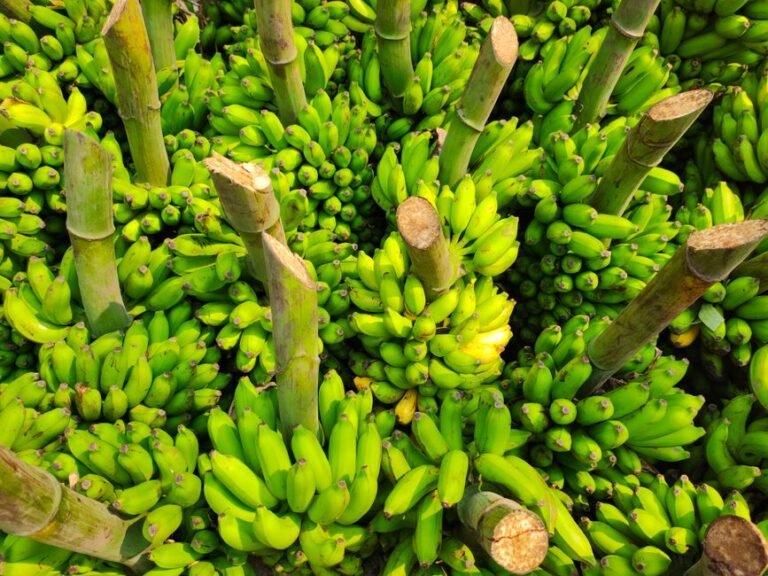
- 2 unripe green bananas, peeled
- 1 medium russet potato, peeled
- 1/2 lb calabaza or butternut squash, peeled and cubed
- 1/4 cup achiote-infused olive oil
- 1 1/2 tsp kosher salt
- 1/2 tsp freshly ground black pepper
For the pork filling (picadillo)
- 2 lb boneless pork shoulder, cut into 1/2-inch cubes
- 2 tbsp achiote olive oil
- 1 cup homemade sofrito (recaito)
- 1 packet sazón with achiote
- 1/4 cup tomato sauce
- 1/2 cup pimento-stuffed olives, halved
- 2 tbsp capers, drained
- 1/4 cup golden raisins
- 1 tsp dried oregano
- 2 bay leaves
- 1 tsp kosher salt, plus more to taste
For wrapping and boiling
- 12 large banana leaves, thawed if frozen (or parchment paper)
- Kitchen twine, cut into 12-inch lengths
- Additional water for boiling
Directions
- Make the filling: heat achiote oil in a heavy pot over medium-high, brown the pork in batches for 6 to 8 minutes, then return all pork to the pot and stir in sofrito, sazón, tomato sauce, olives, capers, raisins, oregano, bay leaves, and salt. Add 1/2 cup water, cover, and simmer gently for 45 minutes until pork is fork-tender and the sauce has thickened; remove bay leaves and adjust seasoning.
- Prepare the masa: working in batches, grate yuca, plantains, bananas, potato, and squash on the large holes of a box grater or use a food processor with the shredding disc. Immediately toss with the achiote oil, salt, and pepper in a large bowl to prevent browning, then squeeze out excess liquid by handfuls.
- Prepare the wrappers: if using banana leaves, wipe them clean, trim the center rib, and pass each piece briefly over an open flame or a hot dry skillet for 5 to 10 seconds per side until pliable and glossy green. Cut into roughly 10 x 12-inch rectangles. If using parchment, cut the same size pieces.
- Assemble the pasteles: lay a rectangle of banana leaf shiny-side up on a work surface, spoon about 1/2 cup of the grated masa onto the center, and press it into a 4 x 6-inch oval about 1/2 inch thick. Top with 2 tablespoons of the pork filling, spreading it in a line down the middle.
- Fold the pasteles: fold the two long sides of the leaf over the filling to overlap, then fold the short ends over like a package, pressing gently to flatten. Tie each pastel securely lengthwise and crosswise with kitchen twine so the parcel holds its shape while boiling. Repeat with remaining masa, filling, and leaves.
- Boil the pasteles: stand the wrapped pasteles on their folded edges in a large stockpot (a lobster pot works well), stacking in two layers if needed. Cover with cold water by 2 inches, bring to a boil, then reduce to a steady simmer and cook uncovered for 60 to 75 minutes, adding hot water as needed to keep them submerged.
- Test for doneness by unwrapping one pastel; the masa should be firm, translucent at the edges, and pull cleanly away from the leaf. Drain the pasteles and let them rest 10 minutes before serving.
- Serve warm in the banana leaf, peeled back at the table, with slices of ripe avocado, a wedge of lime, and a side of arroz con habichuelas or a simple green salad.
Cook’s Notes
- Grating the root vegetables is the most labor-intensive step; in New York, look for pre-grated yuca and frozen sofrito at any bodega or Latin market on the East Side or in Bushwick to cut prep time in half.
- Pasteles freeze beautifully: wrap the assembled raw parcels, freeze in zip-top bags for up to 3 months, and boil straight from frozen, adding 20 extra minutes to the simmer.
- If banana leaves are unavailable, double-wrap in parchment paper then aluminum foil and tie with twine; the parcels will not have the herbal aroma but the flavor is still excellent.
- Tie each pastel with a contrasting color of kitchen twine so guests can spot their own at the table, and always keep the tied parcels upright in the pot so the seam stays sealed.
- Use the leftover pork braising liquid as a sauce spooned over rice the next day, or strain and freeze it for the next batch of pasteles.