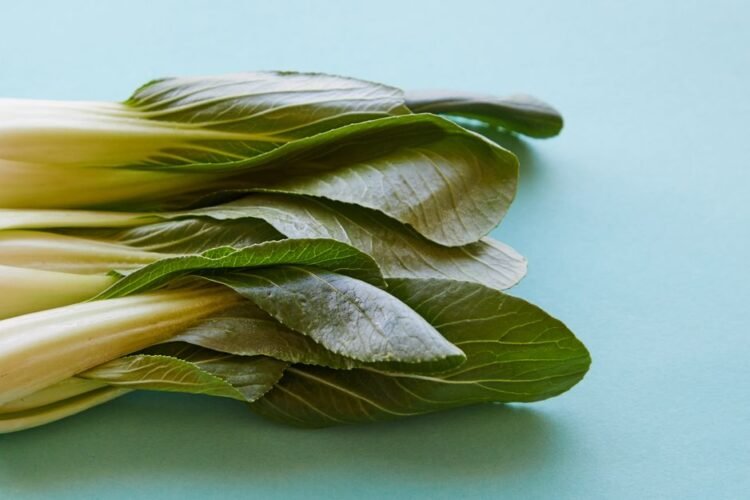
Bok choy is a leafy cruciferous vegetable with tender white stems and dark green leaves, widely used in East Asian and global cuisine for its mild flavor and impressive nutritional profile.
Category
Scientific nameBrassica rapa subsp. chinensis
OriginChina
History & Origins
Bok choy has been cultivated in China for over 5,000 years, primarily in the Yangtze River Delta region. It spread throughout East Asia and eventually reached Europe and North America in the 18th and 19th centuries, becoming increasingly popular in Asian-American cuisine and health food markets.
Nutrition Facts
Per 100 g, edible portion (estimated)
- 13 kcalCalories
- 1.5 gProtein
- 0.2 gFat
- 2.2 gCarbs
- 1 gFiber
- 1.2 gSugars
- 252 mgPotassium
- 45 mgVitamin C
- 232 mcgVitamin A
Culinary Uses
- Stir-fried with garlic and soy sauce as a side dish
- Added to soups and noodle bowls for texture and nutrition
- Used raw in salads and slaws for crisp freshness
- Blanched or steamed as a healthy side dish
- Stuffed into dumplings and spring rolls
- Grilled or charred as a savory accompaniment
Known Benefits
- High in vitamins A, C, and K supporting immune and bone health
- Rich in antioxidants that combat cellular damage
- Low in calories and carbohydrates, suitable for weight management
- Contains calcium and iron supporting bone and blood health
Hidden Benefits
- Contains selenium which supports thyroid function and metabolism
- Provides glucosinolates linked to reduced cancer risk
- Contains folate important for cell division and DNA synthesis
- Contains lutein and zeaxanthin beneficial for eye health
Cautions & Considerations
- May cause gas or bloating when eaten in very large quantities
- Contains oxalates which may contribute to kidney stone formation in susceptible individuals
- Raw bok choy contains goitrogens that may interfere with thyroid function when consumed excessively
- May contain pesticide residues if not thoroughly washed or sourced from organic production