 (No Ratings Yet)
 Loading...
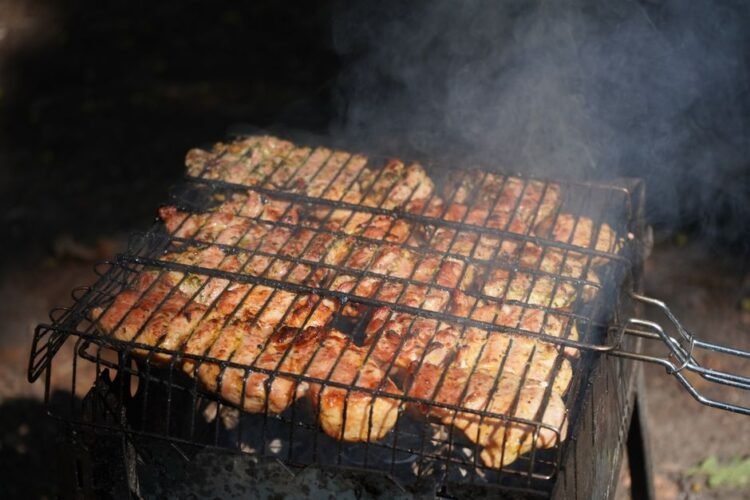
Hailing from the churrasqueiras of Portugal with deep Mozambican roots, this fiery grilled chicken is marinated overnight in a vibrant sauce of bird's eye chilies, garlic, lemon, and smoked paprika. Cooked over charcoal with a two-zone fire, the skin blisters and chars while the meat stays juicy and infused with slow-building heat.
Prep Time20 mins
Cook Time35 mins
Total Time55 mins
Servings4
Yield4 servings
Nutrition Facts
Per serving (estimated)
- 485 kcalCalories
- 31 gFat
- 7 gSaturated Fat
- 5 gCarbs
- 1 gFiber
- 1 gSugar
- 44 gProtein
- 720 mgSodium
- 540 mgPotassium
- 55 mgCalcium
- 3 mgIron
- 28 mgVitamin C
- 520 mcgVitamin A
Ingredients
For the Piri-Piri Marinade
- 8-10 fresh bird's eye chilies (piri-piri), stemmed
- 6 garlic cloves, peeled
- 1 small red bell pepper, roughly chopped
- 1/3 cup extra-virgin olive oil
- 1/4 cup fresh lemon juice (about 2 lemons)
- 2 tbsp red wine vinegar
- 2 tsp sweet paprika
- 1 tsp smoked paprika
- 2 dried bay leaves
- 1 tsp dried oregano
- 1 1/2 tsp fine sea salt
- 1/2 tsp freshly ground black pepper
For the Chicken
- 1 whole chicken (about 3.5 lb / 1.6 kg), butterflied (spatchcocked)
- 2 tbsp olive oil, for rubbing
- 1 lemon, cut into wedges, for serving
- 1 tbsp chopped fresh parsley, for garnish
- Coarse sea salt, for finishing
Optional for Serving
- 1 lb small new potatoes, boiled and salted
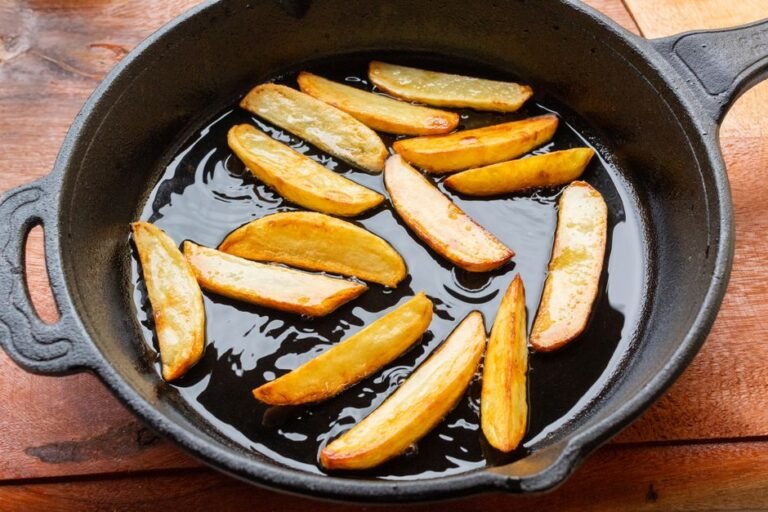
- or Portuguese-style fried potatoes
Directions
- Make the marinade: Combine chilies, garlic, red bell pepper, olive oil, lemon juice, vinegar, both paprikas, bay leaves, oregano, salt, and pepper in a blender. Blend until completely smooth and vivid red, about 45 seconds, scraping down the sides as needed.
- Prepare the chicken: Pat the butterflied chicken thoroughly dry with paper towels. Using a sharp knife, score the breast and thigh meat in a shallow crosshatch to help the marinade penetrate, then rub all over with the 2 tbsp olive oil.
- Marinate: Place the chicken in a large resealable bag or shallow dish and pour about three-quarters of the marinade over it, reserving the rest in the refrigerator for basting. Massage the marinade into the meat, slipping some under the skin where possible, and refrigerate for at least 4 hours, ideally overnight (up to 24 hours).
- Set up the grill: About 45 minutes before cooking, light a charcoal grill and arrange the coals for two-zone cooking, banking them to one side. Allow the flames to die down and the coals to ash over for steady medium-hot heat around 400°F (200°C).
- Slow-grill on the cool side: Remove the chicken from the marinade and let any excess drip off. Place skin-side up on the cooler side of the grill, cover, and cook for 20-25 minutes so the meat gently cooks through and absorbs smoke flavor without burning.
- Sear on the hot side: Flip the chicken skin-side down directly over the hotter coals. Grill for 5-8 minutes, basting two or three times with the reserved fresh marinade, until the skin is blistered, charred in spots, and an instant-read thermometer inserted into the thickest part of the thigh reads 165°F (74°C).
- Rest: Transfer the chicken to a cutting board, loosely tent with foil, and rest for 8-10 minutes. Squeeze fresh lemon juice over the top and sprinkle with coarse sea salt and chopped parsley.
- Carve and serve: Cut the chicken into quarters or carve into pieces, and serve hot with lemon wedges, boiled or fried potatoes, and any extra warmed marinade on the side for dipping.
Cook’s Notes
- Marinate overnight whenever possible; the chili color and depth of flavor improve dramatically with time.
- Never baste with marinade that has touched raw chicken — always reserve a clean portion before marinating, or boil used marinade for 3 minutes before brushing.
- If fresh bird's eye chilies are unavailable, substitute 2-3 tsp red chili flakes or a quality Portuguese-style hot sauce, adjusting to taste.
- Two-zone grilling is key: the cool side cooks the chicken gently through, while the hot side delivers the signature charred, blistered skin.
- Resting the chicken is non-negotiable — it lets the juices redistribute so the meat stays tender rather than running dry when carved.