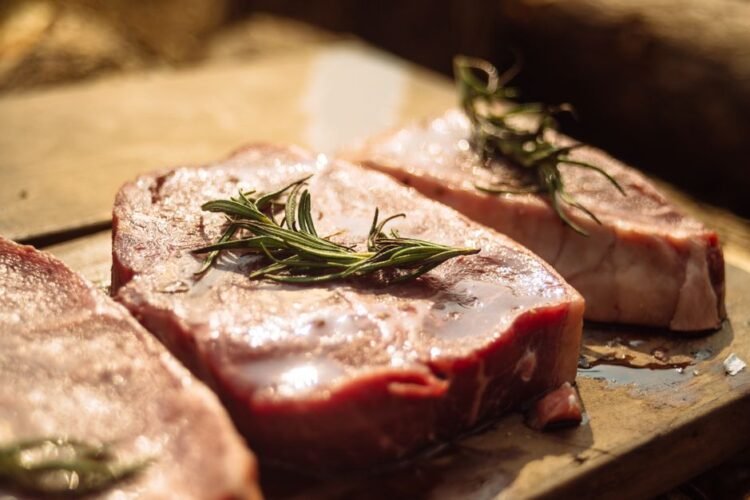
Crocodile meat is the lean, mildly sweet flesh of farmed or sustainably harvested crocodilians, prized for its high protein content, low fat, and delicate flavor resembling a cross between chicken and veal.
CategoryMeats
Scientific nameCrocodylus niloticus (Nile crocodile); also Crocodylus porosus (saltwater crocodile) and Alligator mississippiensis (American alligator)
OriginTropical and subtropical regions including sub-Saharan Africa, northern Australia, Southeast Asia (Thailand, Philippines, Cambodia), Cuba, and the southern United States
History & Origins
Indigenous peoples of Africa, Southeast Asia, and northern Australia have hunted crocodilians for food for thousands of years, with archaeological evidence of consumption in Egypt and Aboriginal Australia dating back millennia. Commercial crocodile farming began in Zimbabwe in 1965 under the Gacheg method, and by the late 20th century Australia, Thailand, Cuba, and Louisiana had developed significant ranching industries to supply restaurants and specialty markets.
Nutrition Facts
Per 100 g, edible portion (estimated)
- 96 kcalCalories
- 19.8 gProtein
- 1.4 gFat
- 0 gCarbs
- 0 gFiber
- 0 gSugars
- 270 mgPotassium
- 0.7 mgIron
Culinary Uses
- Tail steaks pan-seared or grilled with citrus and herbs
- Diced and stir-fried with Thai basil, garlic, and chili
- Smoked or cured into charcuterie, sausages, and jerky
- Used in Filipino dishes such as sinigang and adobo
- Benguet-style croc sisig and Cuban cocodrilo tacos
- Kebabs and burgers on Australian and South African menus
Known Benefits
- Very low in fat compared with beef, pork, or lamb
- High-quality complete protein rich in essential amino acids
- Excellent source of vitamin B12 for nerve and blood health
- Contains omega-3 polyunsaturated fatty acids
- Sustainable when sourced from well-managed closed-cycle farms
Hidden Benefits
- Naturally higher in selenium than most red meats
- Provides conjugated linoleic acid (CLA) in measurable amounts
- Lower cholesterol per serving than equivalent cuts of beef
- Good supply of niacin (B3) for energy metabolism and skin health
- Trace minerals include zinc, phosphorus, and magnesium
Cautions & Considerations
- Wild-caught specimens can bioaccumulate environmental pollutants such as methylmercury
- Must be cooked to 63 °C (145 °F) internal temperature to eliminate Salmonella and Trichinella risk
- People with fish or shellfish allergies may cross-react to reptile meat
- Farming standards vary; welfare and conservation claims should be verified
- Imports restricted in many countries; check CITES and local wildlife regulations


