 (No Ratings Yet)
 Loading...
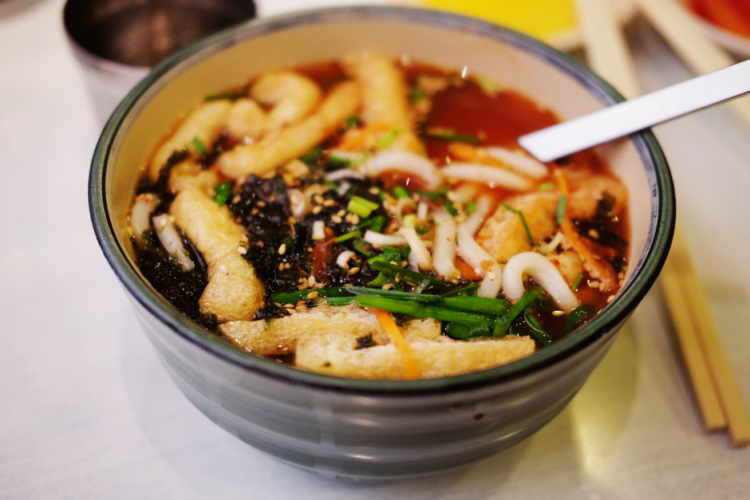
Kitsune udon is a beloved Japanese noodle soup featuring thick, chewy udon noodles in a light dashi broth, crowned with sweet-savory simmered fried tofu pockets called aburaage. According to Japanese folklore, foxes (kitsune) are fond of aburaage, which is how this comforting dish earned its playful name. It comes together in under 40 minutes and is naturally meat-free, making it perfect for a quick weeknight dinner.
Prep Time15 mins
Cook Time25 mins
Total Time40 mins
Servings4
Yield4 bowls
Nutrition Facts
Per serving (estimated)
- 445 kcalCalories
- 6 gFat
- 1 gSaturated Fat
- 78 gCarbs
- 3 gFiber
- 9 gSugar
- 18 gProtein
- 1180 mgSodium
- 260 mgPotassium
- 60 mgCalcium
- 2.5 mgIron
- 3 mgVitamin C
- 45 mcgVitamin A
Ingredients
For the simmered aburaage (sweet tofu pockets)
- 4 sheets aburaage (fried tofu pockets), about 80 g total
- 1 cup (240 ml) dashi stock
- 3 tbsp soy sauce
- 2 tbsp mirin
- 1 tbsp granulated sugar
- 1 tsp grated fresh ginger
For the dashi broth
- 4 cups (960 ml) dashi stock, homemade or instant
- 3 tbsp soy sauce
- 2 tbsp mirin
- 1 tsp kosher salt
For the noodles and garnish
- 4 portions fresh or frozen udon noodles, about 400 g total
- 2 scallions, thinly sliced on the bias
- 1 sheet nori, cut into thin strips (optional)
- Shichimi togarashi, to serve (optional)
Directions
- Pour about 2 cups of boiling water over the aburaage in a fine-mesh strainer to remove excess surface oil, then gently press out the water between your palms; repeat once more.
- In a small saucepan, combine 1 cup dashi, 3 tbsp soy sauce, 2 tbsp mirin, sugar, and ginger. Bring to a gentle simmer over medium heat, add the aburaage, and simmer uncovered for 8-10 minutes, turning occasionally, until most of the liquid has been absorbed and the tofu tastes seasoned through. Remove from heat and set aside.
- In a separate pot, combine the 4 cups dashi, 3 tbsp soy sauce, 2 tbsp mirin, and salt. Heat over medium until just steaming; do not let it boil aggressively, which can cloud the broth and diminish its delicate aroma.
- Bring a large pot of water to a boil and cook the udon noodles according to package directions, usually 3-5 minutes for vacuum-packed fresh udon or 6-8 minutes for frozen. Drain and rinse very briefly under cool running water to remove excess starch, then divide among 4 large, deep bowls.
- Ladle the hot dashi broth into each bowl, covering the noodles and leaving about 1 inch of noodles exposed at the top for visual appeal.
- Slice each sheet of simmered aburaage in half and arrange 2 pieces on top of each bowl of noodles.
- Sprinkle with sliced scallions and add a few strips of nori, if using. Serve immediately with shichimi togarashi on the side for those who want a little heat.
Cook’s Notes
- For the most aromatic broth, make your own dashi by steeping 10 g kombu and 20 g bonito flakes in 1 L cold water for 30 minutes, then gently heating to just under a boil.
- The simmered aburaage can be prepared up to 3 days ahead and stored covered in its cooking liquid in the refrigerator; this actually deepens the flavor.
- Vacuum-packed fresh udon (often found in the refrigerated section of Asian markets) provides the best chewy, springy texture; if using dried udon, increase cooking time per package instructions.
- If aburaage is unavailable, you can substitute with thinly sliced firm tofu that has been pan-fried until golden, though the texture will be different.
- Keep the broth at a bare simmer rather than a rolling boil so it stays clear and light, letting the sweetness of the aburaage shine through.