 (No Ratings Yet)
 Loading...
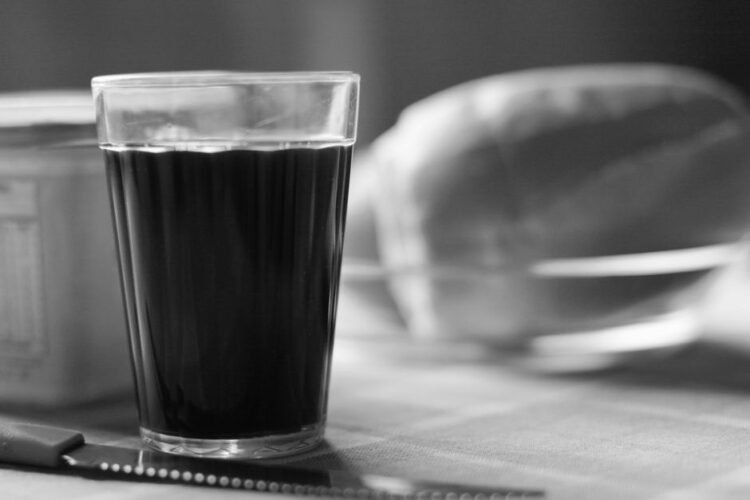
Kvass is a centuries-old Russian fermented beverage made from stale rye bread, prized for its malty, tangy flavor and mild effervescence. Traditionally sipped cold in summer as a refreshing alternative to soda, it develops a deep amber color and gentle fizz through natural fermentation. This homemade version uses simple pantry staples and a short ferment to deliver an authentic, lightly sour drink.
Prep Time20 mins
Cook Time15 mins
Total Time35 mins
Servings4
Yieldabout 4 cups (1 L)
Nutrition Facts
Per serving (estimated)
- 95 kcalCalories
- 0.5 gFat
- 0 gSaturated Fat
- 22 gCarbs
- 1.5 gFiber
- 8 gSugar
- 1.5 gProtein
- 180 mgSodium
- 80 mgPotassium
- 30 mgCalcium
- 1 mgIron
- 1 mgVitamin C
- 0 mcgVitamin A
Ingredients
For the bread base
- 300 g (about 6 thick slices) stale rye bread, cut into 2 cm cubes
- 1.5 L (6 cups) filtered water, divided
- 60 g (1/3 cup) raisins
For the ferment
- 80 g (1/3 cup) granulated sugar or mild honey
- 5 g (1 1/2 tsp) active dry yeast
- 6 fresh mint leaves (optional)
- 1 tbsp lemon juice
Directions
- Preheat the oven to 160°C (320°F). Spread the rye bread cubes on a baking sheet and toast for 12-15 minutes until deeply browned and dry but not burnt; this builds the malty backbone of the drink.
- Bring 1 L (4 cups) of the water to a near boil in a large saucepan, then remove from heat and stir in the toasted bread. Cover and steep for 2 hours so the bread softens and releases its flavor.
- Strain the liquid through a fine mesh sieve into a large glass jar or bowl, pressing gently on the bread to extract the dark liquid; discard the soggy solids or save them for breadcrumbs.
- Add the remaining 500 ml (2 cups) of cool water to bring the temperature down to lukewarm (about 30°C / 85°F). Stir in the sugar, yeast, lemon juice, mint, and raisins until the sugar dissolves.
- Cover the jar loosely with cheesecloth or a lid set ajar and let ferment at room temperature (20-24°C) for 18-24 hours, until the surface is foamy and you see fine bubbles rising.
- Taste the kvass: it should be lightly sweet-tart with a soft malty edge. If too flat, let it ferment another 6-12 hours; if too sour, sweeten with a little more sugar or honey.
- Strain through a fine sieve into clean glass bottles, leaving about 3 cm of headspace. Seal tightly and refrigerate for at least 4 hours to chill and develop gentle carbonation.
- Serve cold over ice, garnished with a sprig of fresh mint or a thin lemon slice. Kvass keeps refrigerated for up to 5 days; expect the fizz to deepen over the first 48 hours.
Cook’s Notes
- Use dense, dark sourdough rye for the deepest color and flavor; pale wheat bread will produce a thin, less characterful drink.
- Do not seal the jar airtight during the first fermentation, or pressure can build up and cause it to burst.
- Plastic bottles can be used for the second fermentation if you want a fizzier, soda-like result – just burp them daily.
- For a fruit-forward twist, swap the mint for fresh strawberries, birch sap, or grated horseradish root during the initial steep.
- If the ferment smells yeasty rather than pleasantly tangy, it has likely over-fermented; discard and shorten the next batch's resting time.