 (No Ratings Yet)
 Loading...
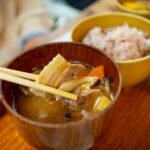
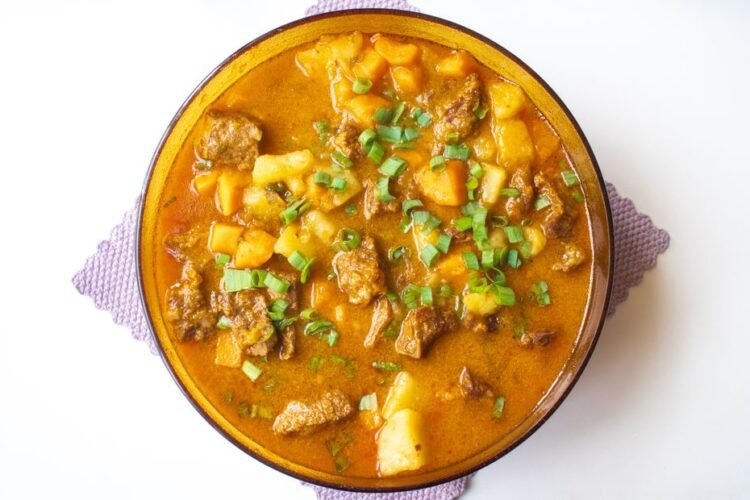
Nikujaga is one of Japan's most beloved home-cooked dishes—thinly sliced beef and tender potatoes simmered together in a lightly sweet, savory broth of soy, mirin, and dashi. The name literally means 'meat and potatoes,' and it's the kind of cozy, soul-warming stew that tastes even better the next day.
Prep Time15 mins
Cook Time30 mins
Total Time45 mins
Servings4
Yield4 servings
Nutrition Facts
Per serving (estimated)
- 520 kcalCalories
- 19 gFat
- 5 gSaturated Fat
- 48 gCarbs
- 5 gFiber
- 12 gSugar
- 32 gProtein
- 980 mgSodium
- 1050 mgPotassium
- 65 mgCalcium
- 3.5 mgIron
- 22 mgVitamin C
- 280 mcgVitamin A
Ingredients
For the Stew
- 1 lb (450 g) thinly sliced beef (sukiyaki or shabu-shabu cut)
- 1 lb (about 4 medium) Yukon gold potatoes
- 1 large yellow onion
- 1 large carrot, peeled
- 1 (8 oz / 225 g) package shirataki noodles, rinsed and drained (optional)
- 2 tablespoons neutral oil (such as canola or grapeseed)
- 2 cups dashi (or 2 cups water + 1 teaspoon dashi powder)
- 1/3 cup soy sauce
- 1/3 cup mirin
- 3 tablespoons sake
- 1 tablespoon granulated sugar
- 2 scallions, thinly sliced, for garnish
Directions
- Cut the potatoes into roughly 1 1/2-inch chunks and soak in cold water for 10 minutes to remove excess starch; drain well. Cut the onion into 1/2-inch wedges and the carrot into thick half-moons.
- Heat the oil in a large heavy pot or Dutch oven over medium-high heat. Add the beef in a single layer and sear for 2-3 minutes, stirring occasionally, until just browned.
- Add the onion and carrot and cook for 2-3 minutes until the onion starts to turn translucent.
- Pour in the dashi, soy sauce, mirin, sake, and sugar. Stir to combine, then add the potatoes and shirataki (if using) on top. Bring to a boil, then reduce the heat to medium-low and skim off any foam from the surface.
- Cover and simmer gently for 10 minutes. Uncover and continue to simmer for another 10-15 minutes, occasionally basting the potatoes with the broth, until the potatoes are easily pierced with a chopstick and the sauce has reduced by about one-third.
- Taste and adjust seasoning—add a little more soy sauce for saltiness or a pinch of sugar for sweetness, depending on your preference.
- Remove from the heat, cover, and let rest for 5 minutes so the flavors can meld. Sprinkle with sliced scallions and serve hot in shallow bowls with steamed rice.
Cook’s Notes
- For best results, use Yukon Gold or Japanese satsumaimo potatoes—they hold their shape while becoming creamy and tender inside.
- Resist the urge to stir too much once the potatoes are added; gentle basting keeps them intact while absorbing the broth's flavor.
- Nikujaga is famously even better the next day. Store leftovers in the broth and reheat gently on the stovetop, adding a splash of water if needed.
- If you can't find thinly sliced beef, partially freeze a block of beef for 20-30 minutes to make slicing it paper-thin much easier.
- For a sweeter, more homestyle flavor (Kansai-style), increase the sugar to 1 1/2 tablespoons and reduce the soy sauce slightly.