 (No Ratings Yet)
 Loading...
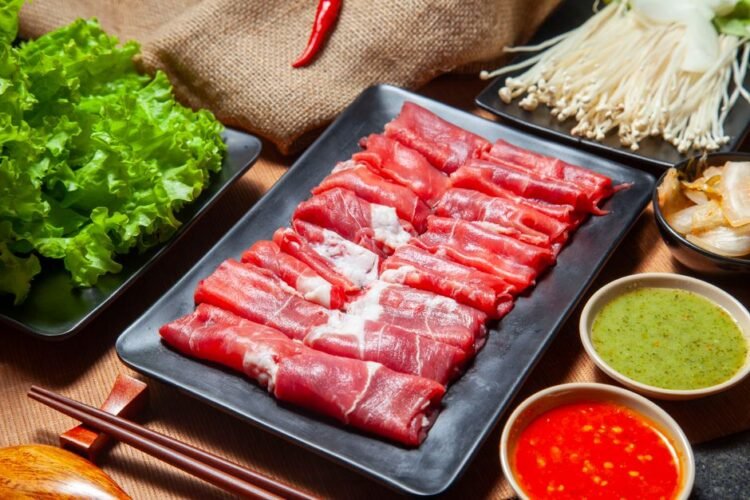
Sukiyaki is a beloved Japanese winter hot pot featuring paper-thin beef and seasonal vegetables simmered in a glossy sweet-savory broth called warishita. Traditionally cooked at the table in a cast iron skillet or donabe, it is dipped in raw beaten egg before each bite for a silky, mellow finish. This version stays true to the Kanto style and makes a festive communal meal for four.
Prep Time20 mins
Cook Time25 mins
Total Time45 mins
Servings4
Yield4 servings
Nutrition Facts
Per serving (estimated)
- 540 kcalCalories
- 24 gFat
- 9 gSaturated Fat
- 28 gCarbs
- 3 gFiber
- 18 gSugar
- 42 gProtein
- 1480 mgSodium
- 860 mgPotassium
- 180 mgCalcium
- 5.2 mgIron
- 26 mgVitamin C
- 290 mcgVitamin A
Ingredients
For the warishita (sukiyaki broth)
- 1 cup dashi (Japanese soup stock)
- 1/2 cup soy sauce
- 1/2 cup mirin
- 1/4 cup sake
- 2 tablespoons granulated sugar
For the hot pot
- 1.5 lbs thinly sliced beef (sukiyaki cut, ribeye or chuck)
- 1/2 medium napa cabbage, cut into 2-inch pieces
- 4 oz shungiku (chrysanthemum greens) or baby spinach
- 6 oz enoki mushrooms, trimmed and separated
- 4 fresh shiitake mushrooms, stems trimmed and caps scored
- 14 oz firm tofu, drained and cut into 1-inch cubes
- 1 package (7 oz) shirataki noodles, rinsed and drained
- 4 green onions, cut into 2-inch lengths
For serving
- 4 large eggs, beaten in individual small bowls
- Steamed short-grain Japanese rice, to serve
Directions
- In a small saucepan, combine dashi, soy sauce, mirin, sake, and sugar. Bring to a gentle simmer over medium heat, stirring until the sugar dissolves, then keep warm.
- Arrange the prepared beef, napa cabbage, shungiku, enoki, shiitake, tofu, shirataki, and green onions on a large platter so each ingredient is easily accessible for cooking at the table.
- Heat a large cast iron skillet or donabe over medium heat. Pour in about 1/3 of the warm warishita and bring to a gentle simmer.
- Add the napa cabbage, shiitake mushrooms, tofu, and shirataki first; simmer for 2-3 minutes until they begin to soften and absorb the broth.
- Add a few slices of beef in a single layer and cook for 20-30 seconds per side until just cooked through but still tender. Repeat, adding more warishita as needed to keep ingredients partially submerged.
- Add the enoki, shungiku, and green onions in the last 1-2 minutes, stirring gently so they wilt into the broth without breaking apart.
- To eat, pick up a piece of hot beef or vegetable with chopsticks, dip it briefly into the beaten raw egg (the egg gently cooks from the residual heat), and serve over steamed rice.
- Refill the pot with the remaining warishita as it reduces, adding fresh ingredients in the same order until everything is enjoyed, replenishing with more warishita between batches.
Cook’s Notes
- Freeze the beef for 20-30 minutes before slicing if you are cutting it yourself; this makes paper-thin slices much easier.
- Use a shallow cast iron skillet, sukiyaki pan, or donabe for the most authentic experience and even heat distribution.
- If shungiku is unavailable, baby spinach, watercress, or even blanched napa cabbage stems make good substitutes.
- If serving guests who prefer not to eat raw egg, swap the dip for a small bowl of extra warishita or a ponzu-style citrus soy sauce.
- Add ingredients in stages based on cooking time so everything finishes around the same time and the pot never gets overcrowded.