 (No Ratings Yet)
 Loading...
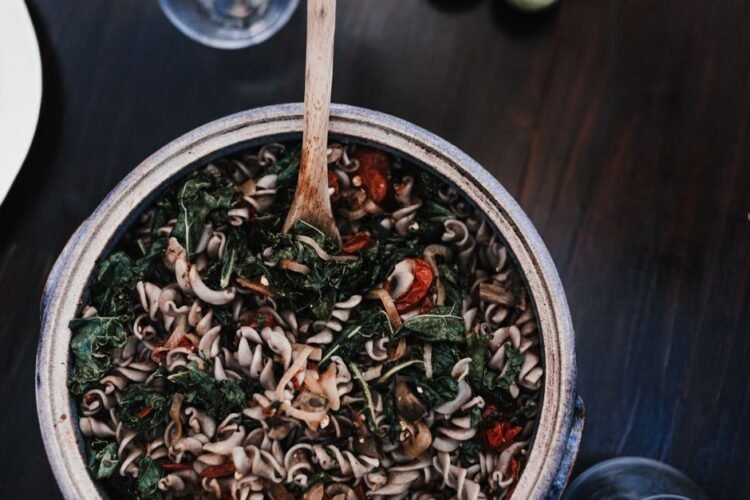
A hearty Lombard classic from the alpine Valtellina valley, this rustic dish combines ribbon-shaped buckwheat pasta with tender cabbage and potatoes, all bound together with nutty brown butter, garlic, sage, and aged mountain cheese. It's the kind of warming, stick-to-your-ribs pasta that defines northern Italian home cooking in winter.
Prep Time20 mins
Cook Time30 mins
Total Time50 mins
Servings4
Yield4 servings
Nutrition Facts
Per serving (estimated)
- 620 kcalCalories
- 28 gFat
- 17 gSaturated Fat
- 72 gCarbs
- 8 gFiber
- 4 gSugar
- 22 gProtein
- 480 mgSodium
- 850 mgPotassium
- 280 mgCalcium
- 3 mgIron
- 45 mgVitamin C
- 180 mcgVitamin A
Ingredients
For the pasta and vegetables
- 14 oz (400 g) fresh pizzoccheri pasta (or buckwheat tagliatelle)
- 1 small head savoy cabbage (about 1 lb / 450 g), cored and cut into 1-inch ribbons
- 1 lb (450 g) Yukon Gold potatoes, peeled and cut into 3/4-inch cubes
- 1 tablespoon coarse sea salt, plus more for finishing
For the brown butter sauce and finishing
- 6 tablespoons (85 g) unsalted butter
- 5 garlic cloves, thinly sliced
- 10 fresh sage leaves
- 1 1/4 cups (about 110 g) grated Valtellina Casera, Bitto, or a mix of Fontina and Parmigiano-Reggiano
- Freshly cracked black pepper, to taste
Directions
- Bring a large, wide pot of water to a rolling boil, add 1 tablespoon of coarse salt, then drop in the cubed potatoes and cook for 5 minutes until just beginning to soften.
- Add the savoy cabbage ribbons to the pot and cook for another 5 minutes, then add the pizzoccheri pasta and stir gently to keep the strands from sticking together; cook for 10 to 12 minutes until the pasta is al dente and the potatoes are fork-tender.
- Meanwhile, melt the butter in a medium skillet over medium-low heat, add the sliced garlic and sage leaves, and cook slowly for 4 to 5 minutes until the butter turns deep golden brown and smells nutty; remove from heat so it doesn't burn.
- Reserve about 1/2 cup of the starchy cooking water, then drain the pasta, cabbage, and potatoes together in a colander, shaking off excess moisture.
- In a warmed large serving bowl, spoon a layer of the pasta mixture, drizzle generously with the brown butter and scatter a handful of the grated cheese over the top.
- Add another layer of pasta, more brown butter, and more cheese, repeating until everything is used and ending with a final snowfall of cheese and a few cranks of black pepper.
- If the dish looks a little dry, splash in a tablespoon or two of the reserved cooking water and toss very gently just before serving; bring the bowl straight to the table and serve immediately while piping hot.
- Pair with a crisp Alpine white wine such as a Chiavennasca or Pinot Grigio and a simple green salad dressed with lemon and olive oil.
Cook’s Notes
- Pizzoccheri pasta is traditionally about 80% buckwheat and 20% wheat flour; if unavailable, fresh buckwheat tagliatelle or even a 50/50 mix of whole-wheat and all-purpose flour ribbons will work in a pinch.
- The classic Valtellina cheese is a blend of young Bitto and aged Valtellina Casera; substituting with Fontina plus Parmigiano-Reggiano gives a very similar melty-yet-nutty character.
- Brown the butter slowly over medium-low heat, watching closely; once the milk solids turn deep tan and smell toasty, pull it off the burner or it can scorch in seconds.
- Reserve a little pasta water before draining; the starchy water helps loosen the layers and gives the finished dish a glossy, clingy texture.
- Serve the pasta straight away in a warmed bowl so the cheese melts into long, silky strands and the butter stays liquid rather than seizing on cool pasta.