 (No Ratings Yet)
 Loading...
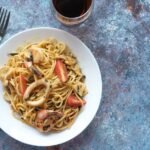
A classic Sicilian dish balancing briny sardines, sweet fennel, golden raisins, toasted pine nuts, and a whisper of saffron. The breadcrumbs toasted in olive oil provide a crunchy contrast that makes every bite of this Mediterranean pasta memorable. This is the kind of bold, soulful cooking that defines Palermo's street-side kitchens.
Prep Time20 mins
Cook Time30 mins
Total Time50 mins
Servings4
Yield4 servings
Nutrition Facts
Per serving (estimated)
- 640 kcalCalories
- 24 gFat
- 4 gSaturated Fat
- 72 gCarbs
- 6 gFiber
- 9 gSugar
- 30 gProtein
- 560 mgSodium
- 910 mgPotassium
- 240 mgCalcium
- 3.5 mgIron
- 15 mgVitamin C
- 120 mcgVitamin A
Ingredients
For the pasta and sauce
- 14 oz (400 g) bucatini or spaghetti
- 1 lb (450 g) fresh sardines, filleted and pin-boned (or two 4.4-oz tins of good-quality oil-packed sardines)
- 1 large fennel bulb with fronds, bulb thinly sliced and fronds reserved
- 1 large shallot, finely chopped
- 3 garlic cloves, thinly sliced
- 6 oil-packed anchovy fillets, drained and chopped
- 1/4 cup (35 g) golden raisins
- 1/4 cup (30 g) pine nuts
- 1 large pinch saffron threads
- 1/2 tsp red chili flakes (optional)
- 1/2 cup (120 ml) extra-virgin olive oil, divided
- 1 tsp kosher salt, plus more for pasta water
- 1/2 cup (120 ml) dry white wine
- Zest of 1 small orange (optional)
For the toasted breadcrumb topping
- 1 cup (60 g) coarse dry breadcrumbs
- 2 tbsp extra-virgin olive oil
- 1 garlic clove, grated to a paste
- Pinch of salt
Directions
- Bring a large pot of well-salted water to a boil. Add the sliced fennel and blanch for 4 minutes until just tender; scoop out with a slotted spoon and set aside, keeping the water at a boil for the pasta.
- Meanwhile, warm 1/3 cup olive oil in a wide skillet over medium heat. Add the shallot and garlic and cook 3 minutes until softened and fragrant. Stir in the chopped anchovies and mash with a spoon until they dissolve into the oil, about 1 minute.
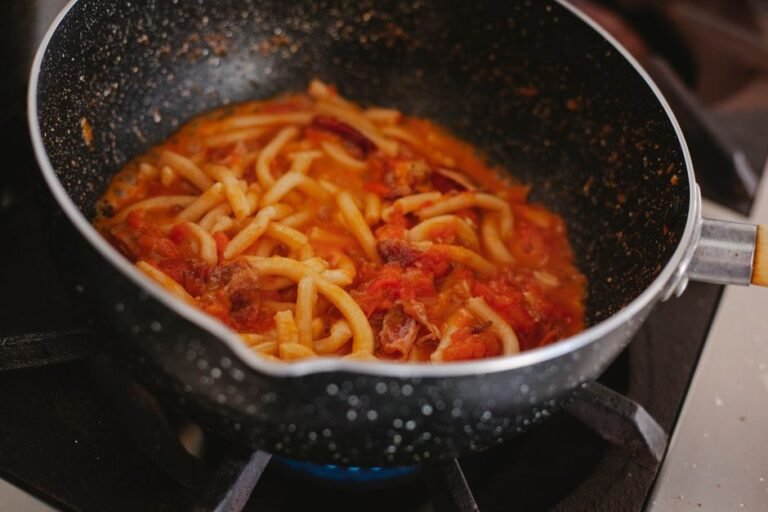
- Add the pine nuts and toast 2 minutes until light golden, then add the raisins, saffron, and chili flakes. Pour in the white wine and simmer 2 minutes to reduce slightly. Add the blanched fennel and a splash of pasta water; simmer gently 5 minutes.
- Pat the sardine fillets dry and nestle them into the sauce. Cook 2 to 3 minutes, turning once, just until opaque and flaky. Stir in the orange zest if using and remove from the heat.
- Cook the bucatini in the fennel-infused water until 1 minute shy of al dente, then transfer directly into the sauce with a slotted spoon. Add 1/2 cup of starchy pasta water and toss vigorously over medium-low heat for 1 to 2 minutes until the sauce clings to the noodles.
- Meanwhile, make the topping: heat 2 tablespoons olive oil in a small skillet over medium heat. Add the garlic paste and breadcrumbs with a pinch of salt; toast 3 to 4 minutes, stirring, until deep golden and crisp. Transfer to a plate.
- Taste the pasta and adjust salt. Divide among warm bowls, top generously with the toasted breadcrumbs and a shower of chopped fennel fronds. Finish with a drizzle of olive oil and serve immediately.
Cook’s Notes
- If using tinned sardines, skip step 4; simply flake them into the sauce at the end and warm through gently so they don't break down too much.
- Soak the raisins in warm water for 10 minutes before using so they plump up and stay tender against the briny sardines.
- Toast the breadcrumbs on the day you plan to serve them so they stay shatteringly crisp; they lose their magic quickly if made ahead.
- A pinch of grated orange zest brightens the whole dish and is a traditional Palermo touch, but skip it if you prefer a purely savory profile.
- Use the starchy pasta water generously; it ties the oil-based sauce to the noodles and helps everything emulsify into a glossy, clingy coating.