 (No Ratings Yet)
 Loading...
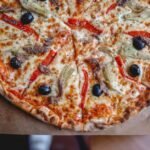
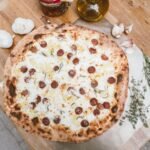
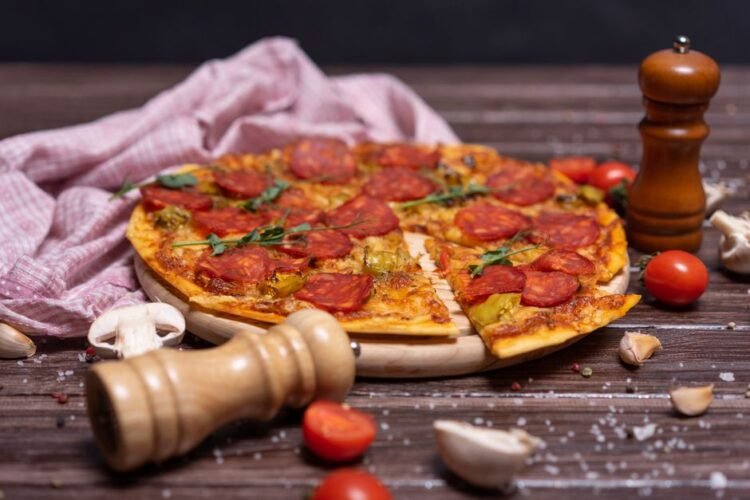
Pizza Diavola is a fiery Italian classic built on a crisp, blistered crust, sweet San Marzano tomato, creamy mozzarella, and bold spicy soppressata, finished with a kick of Calabrian chiles. Originating in central and southern Italy, the name Diavola ("she-devil") refers to the heat from the cured chili-spiked salami that defines it.
Prep Time25 mins
Cook Time15 mins
Total Time40 mins
Servings4
Yield2 medium pizzas (4 slices each)
Nutrition Facts
Per serving (estimated)
- 560 kcalCalories
- 22 gFat
- 8 gSaturated Fat
- 58 gCarbs
- 4 gFiber
- 5 gSugar
- 25 gProtein
- 1180 mgSodium
- 380 mgPotassium
- 230 mgCalcium
- 4 mgIron
- 8 mgVitamin C
- 180 mcgVitamin A
Ingredients
For the Pizza Dough
- 500 g (about 4 cups) Italian '00' flour, plus more for dusting
- 1 teaspoon fine sea salt
- 1 teaspoon granulated sugar
- 7 g (1 packet) active dry yeast
- 325 ml (1 1/3 cups) lukewarm water (about 100°F)
- 2 tablespoons extra-virgin olive oil, plus more for the bowl
For the Tomato Sauce
- 1 can (400 g) San Marzano whole peeled tomatoes
- 1 garlic clove, lightly crushed
- 1/2 teaspoon fine sea salt
- 1 tablespoon extra-virgin olive oil
- 4 fresh basil leaves
For the Toppings
- 200 g (about 7 oz) fresh fior di latte mozzarella, torn into pieces
- 150 g (about 5 oz) spicy soppressata (soppressata piccante), sliced 1/8 inch thick
- 6 Calabrian chiles in oil, sliced into strips, plus 1 teaspoon of their oil
- 1 teaspoon dried oregano
- Semolina flour, for dusting the pizza peel
For Finishing
- Extra-virgin olive oil, for drizzling
- Flaky sea salt, to taste
- Fresh basil leaves, torn
- Hot honey, optional
Directions
- Make the dough: In a large bowl, whisk together the flour, salt, sugar, and yeast. Pour in the lukewarm water and olive oil and stir with a wooden spoon until a shaggy dough forms. Turn out onto a lightly floured surface and knead for 8-10 minutes until smooth, elastic, and tacky but not sticky. Shape into a ball, place in an oiled bowl, cover with a damp towel, and let rise in a warm spot for 1 to 1 1/2 hours until doubled in size.
- Meanwhile, make the sauce: Crush the San Marzano tomatoes by hand into a bowl. Stir in the crushed garlic, salt, olive oil, and torn basil leaves. Let it sit at room temperature to let the flavors meld while the dough rises.
- Preheat the oven to its highest setting, 500-550°F, with a pizza stone or steel on the middle rack for at least 45 minutes. Divide the risen dough into 2 equal balls and let them rest, covered, for 15 minutes before shaping.
- Stretch each dough ball on a semolina-dusted surface into a 10-12 inch round, leaving a slightly thicker border for the crust. Transfer to a semina-dusted pizza peel.
- Top each pizza with about 1/2 cup of the tomato sauce, spreading it evenly but leaving a 1-inch border. Scatter half the torn mozzarella over each pie, then arrange the soppressata slices and Calabrian chile strips on top. Drizzle with the chile oil and a light thread of olive oil, and sprinkle with oregano.
- Slide the pizza onto the hot stone and bake for 8-12 minutes, rotating halfway through, until the crust is deeply puffed and leopard-spotted and the cheese is bubbling with a few charred spots.
- Remove with a peel, let rest for 1 minute, then finish with a drizzle of olive oil, a pinch of flaky salt, torn basil, and a light drizzle of hot honey if you like sweet-spicy contrast. Slice and serve immediately.
Cook’s Notes
- For the most authentic flavor, seek out true soppressata calabrese; if unavailable, use a high-quality spicy Italian soppressata or thin slices of 'nduja spread sparingly.
- A pizza steel conducts heat better than a stone and gives a noticeably crispier bottom crust; preheat it for at least 45 minutes at maximum oven temperature.
- Always let shaped dough rest for 10-15 minutes before stretching; gluten that's just relaxed will stretch thin without snapping back.
- Drain the fresh mozzarella briefly on paper towels to prevent a soggy center, especially on home ovens that run cooler than Neapolitan wood-fired ones.
- Rotate the pizza halfway through baking to ensure even browning, and don't overload the sauce, as Diavola is meant to feel light, hot, and a little oily rather than heavy.