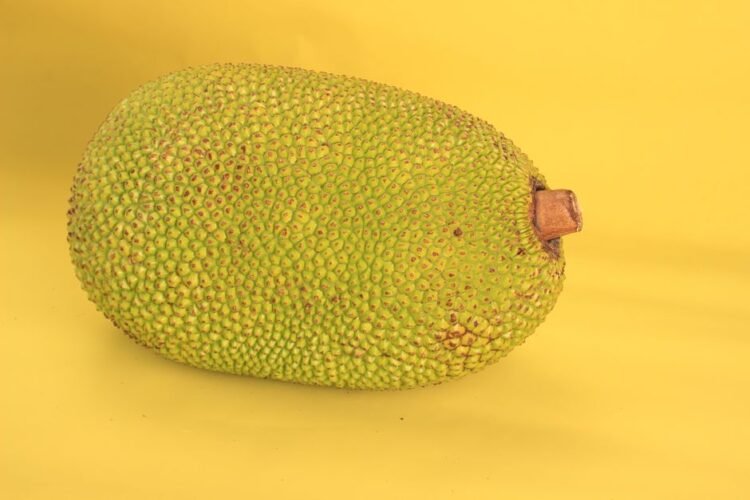
Jackfruit is the largest tree-borne fruit in the world, capable of reaching up to 80 pounds, with a distinctive spiky exterior and sweet, aromatic flesh used in both sweet and savory culinary traditions across tropical regions.
History & Origins
Jackfruit originated in the rainforests of the Western Ghats in India, where it has been cultivated for over 3,000 years and remains deeply embedded in local cuisine and culture. The fruit spread throughout Southeast Asia, particularly to Thailand, Malaysia, and Indonesia, via ancient trade routes by the 5th or 6th century. Portuguese explorers later introduced it to other tropical regions including East Africa, Brazil, and the Caribbean during the Age of Discovery. Today, India remains the world's largest producer, though jackfruit has gained international recognition as a plant-based meat substitute in recent decades.
Nutrition Facts
Per 100 g, edible portion (estimated)
- 95 kcalCalories
- 73 gWater
- 1.7 gProtein
- 0.6 gFat
- 0.1 gSaturated Fat
- 23 gCarbs
- 1.5 gFiber
- 19 gSugars
- 303 mgPotassium
- 24 mgCalcium
- 0.6 mgIron
- 29 mgMagnesium
- 23 mgVitamin C
- 5 mcgVitamin A
- 0.5 mcgVitamin K
- 24 mcgFolate
Culinary Uses
- Young green jackfruit is cooked in curries, stews, and as a pulled-meat substitute in vegan dishes
- Ripe jackfruit segments are eaten fresh, added to fruit salads, or used in desserts like ice cream and cakes
- Seeds from ripe fruit are boiled, roasted, or ground into flour for snacks and traditional recipes
- In Kerala, India, unripe jackfruit is a key ingredient in avial and other coconut-based curries
- Dried jackfruit leather and chips are popular snacks in Southeast Asia
Known Benefits
- Rich in dietary fiber promoting digestive health and regularity
- Contains vitamin C supporting immune function and skin health
- Good source of potassium for blood pressure regulation
- Provides B vitamins including niacin for energy metabolism
Hidden Benefits
- Contains lignans, isoflavones, and other phytonutrients with anti-cancer properties in laboratory studies
- High in antioxidants including carotenoids and flavonoids
- Contains jacalin, a lectin being studied for its effects on blood sugar regulation
- Good source of magnesium supporting bone health and nerve function
Cautions & Considerations
- Seeds contain cyanogenic glycosides and should always be cooked before consumption
- Unripe jackfruit can cause digestive discomfort if eaten in large quantities raw
- Latex from the fruit can cause skin irritation in sensitive individuals
- May interact with blood sugar medications due to potential hypoglycemic effects