 (No Ratings Yet)
 Loading...
Motsu nabe is the signature hot pot of Fukuoka's Hakata district, prized for its rich, savory depth and textural contrast between tender beef offal and crisp fresh vegetables. Simmered in a light miso-soy dashi and finished with garlic chives, it is hearty enough for a winter night yet clean and bright enough for any season.
Prep Time15 mins
Cook Time25 mins
Total Time40 mins
Servings4
Yield4 servings
Nutrition Facts
Per serving (estimated)
- 470 kcalCalories
- 22 gFat
- 7 gSaturated Fat
- 18 gCarbs
- 4 gFiber
- 6 gSugar
- 38 gProtein
- 1150 mgSodium
- 820 mgPotassium
- 180 mgCalcium
- 4 mgIron
- 38 mgVitamin C
- 220 mcgVitamin A
Ingredients
For the Hot Pot
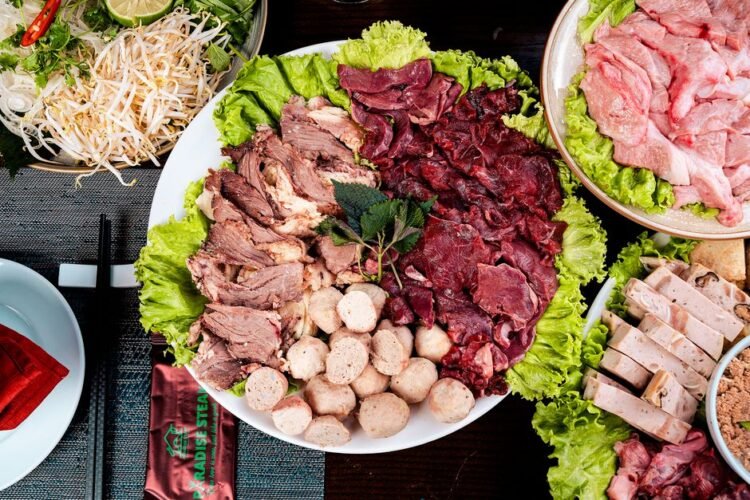
- 600 g (1.3 lb) beef motsu (honeycomb tripe and small intestines), pre-cleaned, cut into bite-sized pieces
- 1/2 head napa cabbage (about 500 g), cut into 5 cm wedges
- 1 bunch garlic chives (nira), cut into 5 cm lengths
- 1 block (400 g) firm tofu, drained and cut into 3 cm cubes
- 200 g fresh bean sprouts, rinsed and drained
- 6-8 fresh shiitake mushrooms, stems trimmed and caps halved
- 4 scallions, cut into 5 cm lengths
- 2 tbsp toasted sesame oil
For the Broth
- 6 cups (1.4 L) ichiban dashi (or 2 tsp dashi powder dissolved in 6 cups water)
- 1/2 cup (120 ml) Japanese soy sauce
- 1/4 cup (60 ml) mirin
- 1/4 cup (60 ml) sake
- 3 tbsp white (shiro) miso
- 6 cloves garlic, finely minced
- 1-inch piece fresh ginger, grated
- 1 tsp gochujang (optional, for a Fukuoka-style kick)
For Serving
- 1/2 cup citrus ponzu, for dipping
- Ichimi togarashi (Japanese chili), for sprinkling
- Steamed short-grain rice, to serve alongside
- 2 portions fresh ramen noodles, for finishing the broth
Directions
- Rinse the cut beef motsu under cold running water for 1-2 minutes, drain well, and pat dry with paper towels so it sears properly.
- Heat the sesame oil in a traditional donabe or a wide, heavy Dutch oven over medium-high heat. Add the garlic and ginger and stir for 30 seconds until fragrant.
- Add the motsu and spread in a single layer; sear undisturbed for 2-3 minutes until the edges turn lightly golden, then stir to brown evenly.
- Pour in the dashi, soy sauce, mirin, and sake. Whisk the miso (and gochujang, if using) into a small ladle of warm broth until smooth, then stir it back into the pot. Bring to a gentle boil.
- Add the napa cabbage wedges, tofu cubes, shiitake mushrooms, and scallions. Cover and simmer for 8-10 minutes, until the cabbage is tender but still has some bite.
- Stir in the garlic chives and bean sprouts; cook uncovered for 1-2 minutes just until the chives wilt and the sprouts stay crisp.
- Bring the pot to the table and serve bubbling hot, ladling into individual bowls. Offer ponzu and ichimi togarashi on the side for dipping.
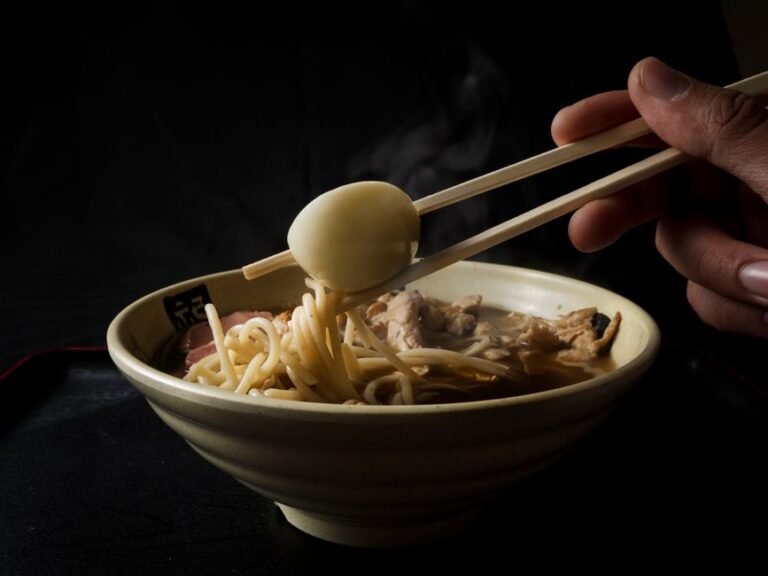
- For the traditional finish (shime), add fresh ramen noodles to the remaining broth after the first round and simmer 3-4 minutes until just tender, then serve as a closing noodle course.
Cook’s Notes
- Buy pre-cleaned motsu labeled yomeni (already parboiled) at a Japanese or Korean market to skip the lengthy initial cleaning and trimming.
- Searing the offal in sesame oil before adding the broth is essential — it builds the smoky, beefy backbone that distinguishes Hakata-style motsu nabe from milder Kansai hot pots.
- For the cleanest miso flavor, dissolve it in a small amount of warm broth off the heat before stirring it back in; boiling miso directly can dull its aromatics.
- The shime course is non-negotiable for locals: use the richly flavored leftover broth to cook ramen or udon, or whisk in beaten eggs for a quick finishing porridge (zousui).
- Cut the cabbage core slightly thinner than the leafy tops so the whole pot finishes cooking at the same time.