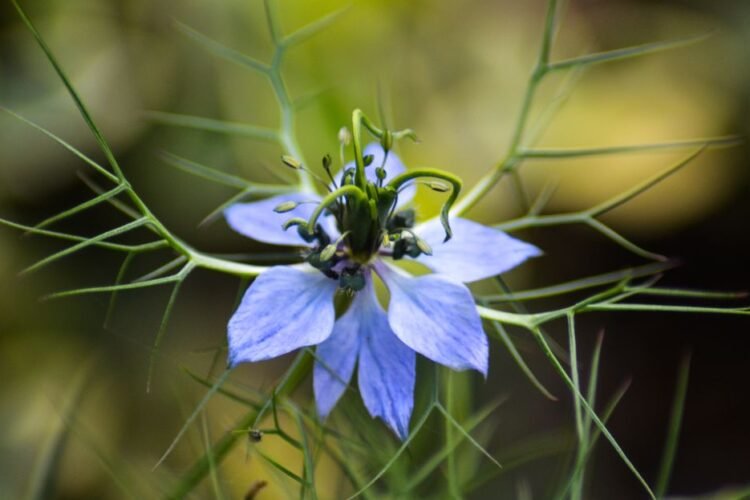
Small, matte-black, angular seeds of an annual buttercup-family herb, prized for a sharp, faintly bitter, onion-pepper aroma and used across the Middle East, South Asia, and North Africa both as a culinary spice and a traditional remedy.
History & Origins
Archaeological evidence places Nigella sativa cultivation in ancient Egypt, where seeds were found in Tutankhamun's tomb (c. 1323 BCE), and the plant is referenced in the Ebers Papyrus as a digestive aid. In medieval Islamic tradition the Prophet Muhammad is cited in several hadith describing the black seed as 'a cure for everything except death,' cementing its role in Prophetic medicine. It was later adopted into Ayurveda as 'kalonji' and into Greco-Arab Unani practice, eventually spreading via Ottoman and Mughal trade routes into Indian, Bengali, and Eastern European cuisines where it remains a staple spice today.
Nutrition Facts
Per 100 g, edible portion (estimated)
- 345 kcalCalories
- 16.7 gProtein
- 22.3 gFat
- 34.7 gCarbs
- 6.0 gFiber
- 2.3 gSugars
- 1690 mgPotassium
- 570 mgCalcium
- 7.5 mgIron
Culinary Uses
- Sprinkled on naan, Turkish çörek, and Ethiopian injera for aroma and texture
- Component of Bengali five-spice panch phoron along with cumin, fennel, mustard, and fenugreek seeds
- Ground into pastes for curries, dals, and North African tagines
- Topped on pickles, breads, and savory pastries as a garnish and flavor accent
- Cold-pressed or infused into oil for drizzling over salads, hummus, and roasted vegetables
Known Benefits
- Contains thymoquinone, a bioactive compound studied for antioxidant and anti-inflammatory activity
- Traditionally used to support digestive comfort and reduce bloating
- Often taken as an oil supplement for respiratory and immune support
- Rich in calcium, iron, and fixed oils that contribute to dietary mineral intake
Hidden Benefits
- Preliminary research suggests thymoquinone may modulate lipid metabolism and fasting blood glucose
- Topical application of seed oil is studied for atopic dermatitis symptom relief in small trials
- Contains nigellone, an essential-oil component investigated for mild bronchodilatory effects
- May act as a natural preservative in mixed-seed pickles due to volatile antifungal compounds
Cautions & Considerations
- May slow blood clotting; discontinue at least two weeks before scheduled surgery
- Pregnant women should avoid therapeutic doses because of possible uterine stimulation
- Can trigger contact dermatitis in individuals sensitive to Ranunculaceae family plants
- May interact with antidiabetic, antihypertensive, and immunosuppressant medications; consult a clinician for high-dose use


