 (No Ratings Yet)
 Loading...
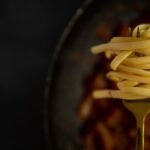
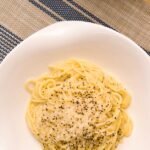
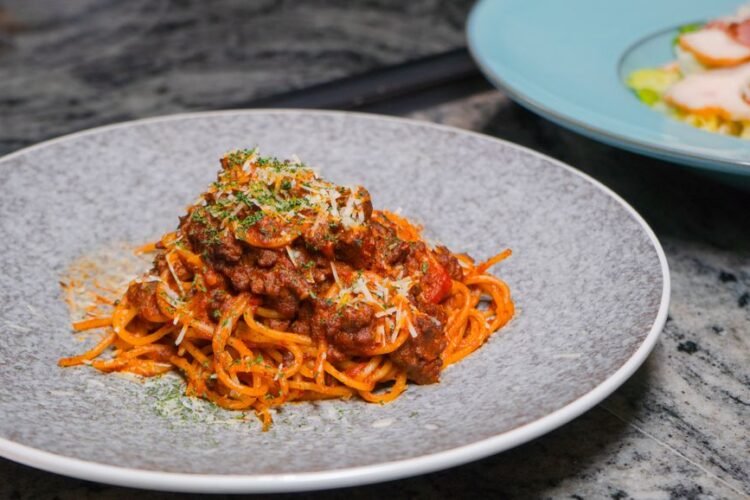
This is the true Italian way to enjoy ragù – tossed with fresh egg tagliatelle rather than spooned over spaghetti. A soffritto base, mixed beef and pork, a splash of wine and milk, and a long, gentle simmer create the silky, deeply savory sauce that defines Emilia-Romagna. Finish with butter and Parmigiano-Reggiano for a comforting, restaurant-worthy plate.
Prep Time20 mins
Cook Time150 mins
Total Time170 mins
Servings4
Yield4 generous servings
Nutrition Facts
Per serving (estimated)
- 640 kcalCalories
- 24 gFat
- 9 gSaturated Fat
- 64 gCarbs
- 4 gFiber
- 38 gProtein
- 720 mgSodium
- 780 mgPotassium
- 220 mgCalcium
- 4.5 mgIron
- 8 mgVitamin C
- 180 mcgVitamin A
Ingredients
For the ragu
- 2 tablespoons olive oil
- 1 tablespoon unsalted butter
- 1 small yellow onion, finely diced (about 100 g)
- 1 medium carrot, finely diced (about 80 g)
- 2 celery ribs, finely diced (about 70 g)
- 200 g ground beef chuck (15% fat)
- 200 g ground pork shoulder
- 120 ml dry red wine, such as Sangiovese
- 80 ml whole milk
- 2 tablespoons double-concentrated tomato paste
- 200 g canned crushed San Marzano tomatoes
- 1 small bay leaf
- Salt and freshly ground black pepper, to taste
For the pasta
- 350 g fresh egg tagliatelle (or 280 g dried)
- 1 tablespoon coarse sea salt for the pasta water
To finish
- 40 g unsalted butter
- 50 g Parmigiano-Reggiano, finely grated
- Freshly cracked black pepper, for serving
Directions
- Heat the olive oil and butter in a heavy-bottomed pot over medium heat. Add the onion, carrot, and celery and cook gently for 8-10 minutes until softened and lightly golden, stirring occasionally.
- Increase the heat to medium-high, add the ground beef and pork, and break the meat apart with a wooden spoon. Brown well for 6-8 minutes until no pink remains and a dark fond has formed on the bottom of the pot.
- Pour in the red wine and scrape up the browned bits. Simmer until reduced by about half, roughly 4-5 minutes, then stir in the milk and cook until mostly absorbed, about 3-4 minutes more.
- Add the tomato paste, crushed tomatoes, bay leaf, a pinch of salt, and a few cracks of pepper. Stir to combine and bring the sauce to a gentle bubble.
- Reduce the heat to the lowest setting and partially cover the pot. Simmer for 1 hour 30 minutes to 2 hours, stirring every 20-30 minutes, until the ragu is thick, glossy, and richly colored. Season to taste at the end.
- Bring a large pot of water to a rolling boil, salt it generously, and cook the tagliatelle until just al dente – about 2-3 minutes for fresh or 7-8 minutes for dried. Reserve about 1 cup of pasta water before draining.
- Melt the butter in a wide skillet over medium heat. Add a generous ladle of ragu (about 200 ml) and a splash of the reserved pasta water, stirring to loosen the sauce into a silky consistency.
- Add the drained tagliatelle to the skillet and toss vigorously for 30-45 seconds, adding more pasta water a tablespoon at a time if needed so every strand is evenly coated.
- Divide the pasta among warm bowls, spooning extra ragu over each portion. Top with a generous shower of Parmigiano-Reggiano and freshly cracked black pepper, and serve immediately.
Cook’s Notes
- Use a heavy enameled cast-iron pot for the ragu – it distributes heat evenly and prevents scorching during the long simmer.
- Traditional Bolognese ragu is best after at least 2 hours of gentle cooking; the flavor deepens considerably as the milk and wine fully integrate with the meat.
- Always finish the pasta by tossing it in a skillet with sauce and pasta water rather than ladling sauce on top – this gives a glossy, restaurant-style coating.
- Fresh egg tagliatelle is the classic choice in Bologna; if making it from scratch, use 1 large egg plus 100 g of '00' flour per serving, rested 30 minutes before rolling.
- Pair with a young Sangiovese di Romagna or a slightly chilled Lambrusco for the most authentic regional match.