 (No Ratings Yet)
 Loading...
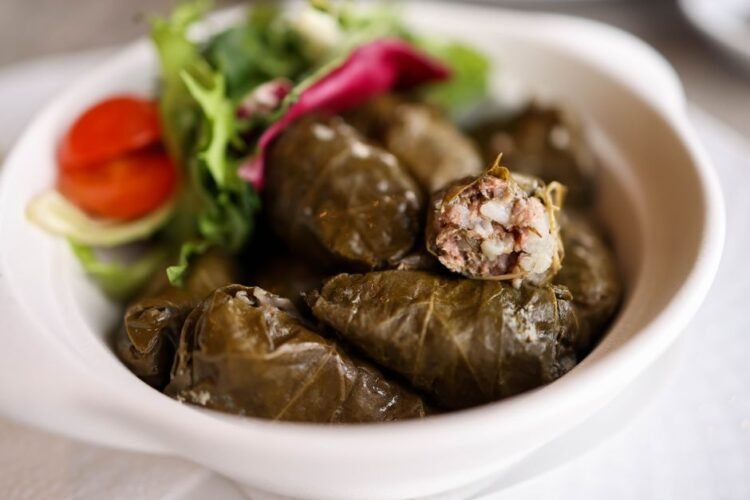
A celebratory Mauritanian specialty traditionally served at weddings and important gatherings, this dish features cleaned camel intestines stuffed with a fragrant mixture of rice, diced liver, fat, and warm Saharan spices, then slowly simmered until tender. The contrast between the snappy casing and the richly spiced, almost pudding-like interior makes it a prized festive food across the Sahel.
Prep Time60 mins
Cook Time120 mins
Total Time180 mins
Servings6
Yield6 servings
Nutrition Facts
Per serving (estimated)
- 480 kcalCalories
- 28 gFat
- 11 gSaturated Fat
- 32 gCarbs
- 2 gFiber
- 1 gSugar
- 24 gProtein
- 720 mgSodium
- 380 mgPotassium
- 45 mgCalcium
- 6 mgIron
- 8 mgVitamin C
- 4500 mcgVitamin A
Ingredients
For cleaning the intestines
- 1 cleaned camel intestine (about 3-4 ft), or lamb intestine as substitute
- 1/2 cup coarse kosher salt
- 1/4 cup white vinegar or fresh lemon juice
- 2 cups warm water, for soaking
For the rice and liver filling
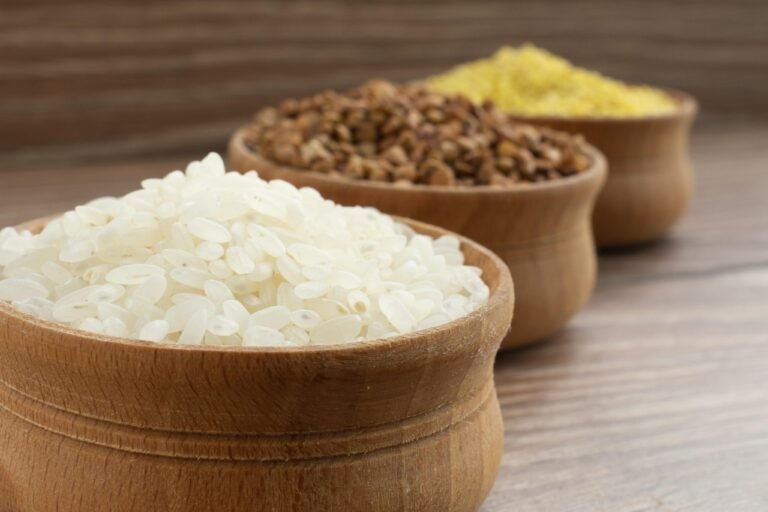
- 1 cup short-grain or basmati rice, rinsed
- 6 oz camel or lamb liver, finely diced
- 4 oz rendered camel tail fat or suet, finely diced
- 1 medium onion, very finely chopped
- 3 garlic cloves, minced
- 1/4 cup fresh parsley, finely chopped
- 1 1/2 tsp ground black pepper
- 1 tsp ground cinnamon
- 1/2 tsp ground cloves
- 1 tsp ground cumin
- 1 tsp ground coriander
- 1/2 tsp ground ginger
- 1 tsp salt
For the simmering broth
- 8 cups water
- 1 large onion, quartered
- 2 bay leaves
- 8 whole black peppercorns
- 1 1/2 tsp salt
Directions
- Combine the intestine with the coarse salt, vinegar, and warm water in a large bowl. Scrub the inner and outer surfaces thoroughly, rinse, then soak in fresh salted water for 30 minutes. Rinse again under cold running water until the casing smells clean; pat dry with paper towels.
- Par-cook the rice in boiling water for 6 minutes until just shy of tender; drain and cool slightly. In a large bowl, combine the par-cooked rice with diced liver, fat, chopped onion, garlic, parsley, and all the ground spices and salt. Mix thoroughly with your hands until the mixture holds together when pressed.
- Set up a wide bowl or tray. Using a funnel or your fingers, loosely stuff the intestine with the rice mixture, taking care not to pack too tightly (the rice expands as it cooks). Leave about 1 inch of empty casing at each end and tie both ends securely with kitchen twine, then tie the stuffed length into a loose coil.
- Place the coiled stuffed intestine in a deep heavy pot. Add the quartered onion, bay leaves, peppercorns, salt, and enough cold water to cover by 1 inch. Bring slowly to a gentle boil over medium heat, skimming any foam that rises.
- Reduce heat to low and simmer, partially covered, for 90-110 minutes, turning the coil once halfway through, until a skewer pierces the casing easily and the rice inside is fully tender. Add more hot water if needed to keep the coil submerged.
- Carefully lift the cooked coil from the broth and let it rest on a cutting board for 10 minutes. Slice into thick 1-inch rounds with a sharp knife and arrange on a warm platter. Spoon a little of the strained, defatted broth over the slices and serve hot with flatbread and a side of lightly salted yogurt.
Cook’s Notes
- Camel intestine is much larger in diameter than lamb; if using lamb, work in shorter lengths and tie more frequently so the coil fits in your pot.
- Do not pack the filling tightly – the rice swells during the long simmer and an overstuffed casing will burst.
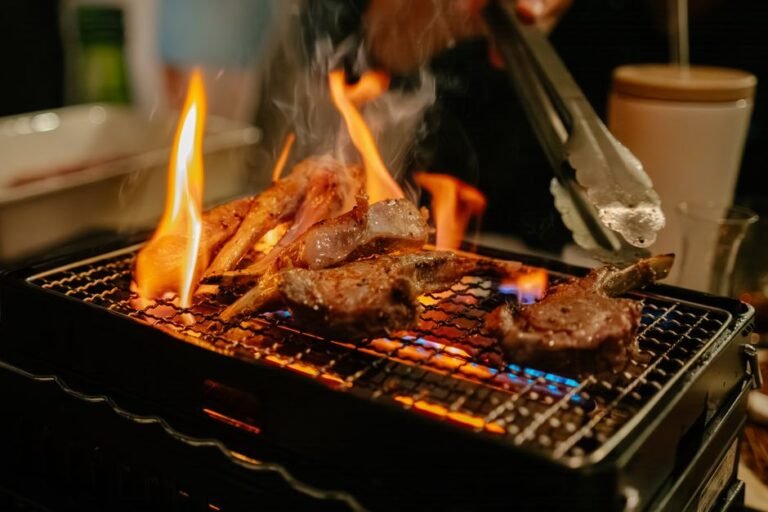
- For a smokier festival version, briefly grill the sliced rounds over charcoal for 1-2 minutes per side before serving.
- The cooking broth is traditionally served alongside in small bowls; skim excess fat before ladling.
- If camel liver and fat are unavailable, lamb liver and beef suet are the closest authentic substitutes and are commonly used by Mauritanian home cooks.