 (No Ratings Yet)
 Loading...
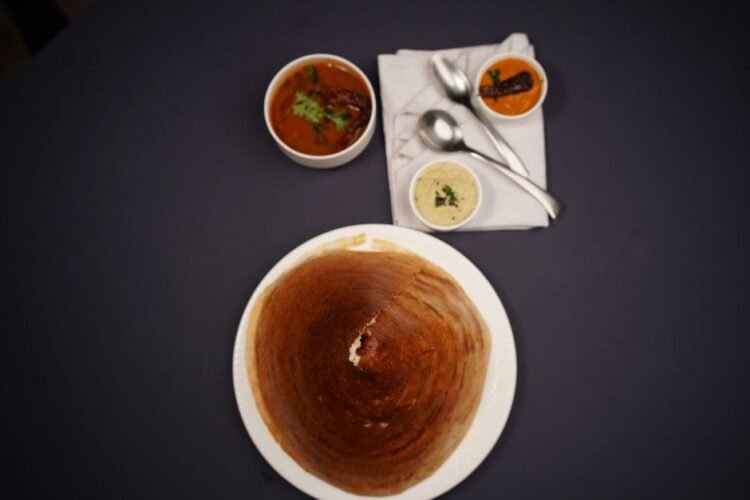
Paper Roast Dosa is a signature Kerala specialty prized for its tissue-thin, lacy crispness. The batter is spread almost transparent on a hot griddle and cooked until brittle and golden, then folded and served with coconut chutney. It is lighter and crispier than a standard masala dosa and showcases the pure rice-lentil flavor of the region.
Prep Time30 mins
Cook Time20 mins
Total Time50 mins
Servings4
Yield4 paper dosas
Nutrition Facts
Per serving (estimated)
- 285 kcalCalories
- 8 gFat
- 3 gSaturated Fat
- 46 gCarbs
- 2 gFiber
- 1 gSugar
- 7 gProtein
- 390 mgSodium
- 180 mgPotassium
- 35 mgCalcium
- 2 mgIron
- 1 mgVitamin C
- 15 mcgVitamin A
Ingredients
For the batter
- 2 cups raw rice (sona masuri or pachari)
- 1/2 cup urad dal (split black gram)
- 1 teaspoon fenugreek seeds (methi)
- 1 tablespoon cooked rice, optional for extra crispness
- 2 tablespoons grated coconut, optional
- 1 teaspoon sugar
- 1 teaspoon salt, or to taste
- 2 1/2 to 3 cups water, for grinding and adjusting
For cooking
- 3 tablespoons coconut oil or ghee, for drizzling
- Oil for lightly greasing the tawa
For serving
- 1 cup fresh coconut chutney
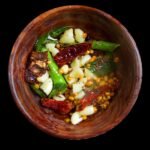
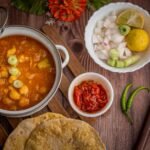
- 1 cup Kerala-style vegetable sambar
Directions
- Rinse the rice, urad dal, and fenugreek seeds together under cold water until the water runs clear, then soak them in plenty of water for 4 to 6 hours to soften completely.
- Drain and grind in a wet grinder or heavy blender, adding water gradually, until you get a silky, pouring batter slightly thinner than regular dosa batter; add the optional cooked rice and grated coconut in the final minute of grinding.
- Transfer to a large bowl, stir in the salt and sugar, cover loosely, and ferment in a warm spot for 6 to 8 hours, or until the batter is light, frothy, and smells mildly tangy.
- Gently stir the fermented batter without deflating it; it should flow like thick cream. If too thick, whisk in 2 to 4 tablespoons of water so it spreads into a sheet easily.
- Heat a well-seasoned cast-iron or non-stick tawa over medium-high heat until a sprinkled water droplet sizzles and evaporates instantly. Wipe with a damp cloth and lightly grease with a few drops of oil.
- Pour about 1/3 cup of batter in the center and, using the flat bottom of the ladle in quick circular motions, spread it outward into an ever-widening circle as thin as possible, ideally until the tawa shows through the batter.
- Drizzle 1/2 teaspoon of coconut oil around the edges and over the surface. Cook 1 to 2 minutes until the bottom turns golden and crisp and the edges lift freely from the pan; do not cover the dosa.
- Do not flip. Use a thin spatula to fold the dosa into a triangle or roll it into a cylinder, lift it off, and serve immediately. Repeat with the remaining batter, greasing the tawa lightly between each dosa.
- Serve hot with coconut chutney and a small bowl of sambar for an authentic Kerala breakfast or evening tea-time snack.
Cook’s Notes
- The batter must be noticeably thinner than standard dosa batter; it should almost spread on its own when the ladle touches the hot tawa.
- Always cook on medium-high heat; a low flame yields a soft dosa instead of the signature glassy crispness.
- If the dosa sticks, your tawa is under-seasoned or too cool; rub the surface with a raw onion half dipped in oil to re-season quickly.
- Do not cover the dosa while cooking; trapped steam softens it and ruins the crackle.
- Serve within a minute or two of cooking, as paper roast loses its snap quickly once out of the pan.