 (No Ratings Yet)
 Loading...
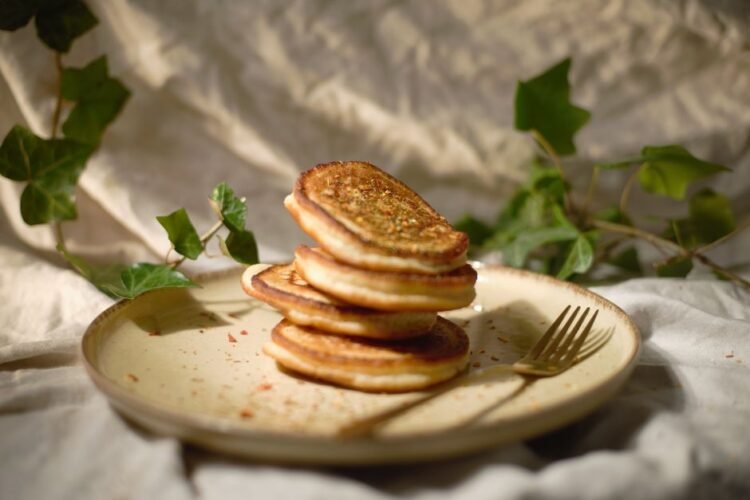
Set dosa is a beloved South Indian breakfast made from a fermented rice and lentil batter, served as a stack of small, thick, spongy pancakes. Unlike crisp dosas, these are tender and pillowy in the center with lightly golden edges, traditionally paired with coconut chutney and sambar.
Prep Time20 mins
Cook Time25 mins
Total Time45 mins
Servings4
Yield12 small set dosas (3 per serving)
Nutrition Facts
Per serving (estimated)
- 320 kcalCalories
- 8 gFat
- 2 gSaturated Fat
- 56 gCarbs
- 4 gFiber
- 1 gSugar
- 9 gProtein
- 470 mgSodium
- 180 mgPotassium
- 35 mgCalcium
- 2 mgIron
- 0 mgVitamin C
- 0 mcgVitamin A
Ingredients
For the batter
- 2 cups idli rice (parboiled short-grain)
- 1 cup raw short-grain rice
- 1 cup skinned urad dal (split black gram)
- 1 tsp fenugreek seeds (methi)
- 3 tbsp poha (flattened rice)
- 1/2 cup cooked plain white rice
- 1 tsp kosher salt
- 3 1/2 to 4 cups water for grinding
- 1/2 tsp baking soda (optional, added before cooking)
For cooking
- 2 to 3 tbsp ghee or unflavored oil
- Additional water to adjust batter consistency
Directions
- Rinse the idli rice, raw rice, urad dal, fenugreek seeds, and poha together under running water until the water runs clear. Soak in plenty of cool water for 4 to 6 hours.
- Drain and reserve the soaking water. Grind the mixture in a wet grinder or blender in batches, adding reserved water gradually, until you have a light, fluffy, pourable batter. Add the cooked rice during the last minute of grinding to encourage extra sponginess; the final batter should look like thick pancake batter.
- Transfer to a large, deep bowl, stir in the salt, cover loosely, and set aside in a warm spot to ferment for 6 to 8 hours, until the batter has nearly doubled in volume and is visibly bubbly.
- Stir the fermented batter gently with a ladle; do not beat out the air. Add baking soda now if using. Adjust consistency with a few tablespoons of water if the batter feels too thick; it should flow like heavy cream.
- Heat a non-stick or well-seasoned cast-iron tawa over medium heat. Lightly grease the surface with a thin smear of ghee using a halved onion or paper towel. Test the heat by sprinkling water; if it sizzles and evaporates quickly, the tawa is ready.
- Pour a small ladleful of batter (about 1/3 cup) onto the center of the tawa; do NOT spread it. The batter should naturally form a thick, round pancake about 4 to 5 inches wide. Pour 1/2 teaspoon of ghee around the edges and a few drops on top.
- Cover with a tight-fitting lid and cook on medium heat for 1 1/2 to 2 minutes, until the bottom is golden and the top is set, matte, and studded with small air pockets. Optionally flip and cook for 30 seconds on the other side, though traditional set dosas are served top-side up.
- Slide the dosa onto a plate and repeat, stacking 2 to 3 dosas per serving. Keep covered with a clean cloth or warm in a low oven to retain softness. Serve immediately with coconut chutney, tomato chutney, and hot sambar.
Cook’s Notes
- Use a 1:3 ratio of urad dal to rice by volume for the lightest, spongiest texture; too much dal makes the batter sticky.
- Always cook set dosa on medium heat, never high, so the interior cooks through before the bottom browns too much.
- To keep stacked dosas soft while cooking the rest, wrap the finished plate in a clean cotton towel inside a covered casserole.
- A well-seasoned cast-iron tawa gives the best golden base; non-stick pans are more forgiving for beginners but yield less color.
- In cold kitchens, place the fermentation bowl inside the oven with the light on to create a gentle, draft-free warmth.