 (No Ratings Yet)
 Loading...
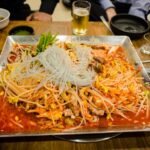
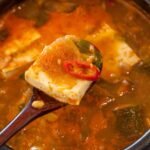
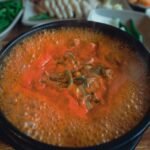
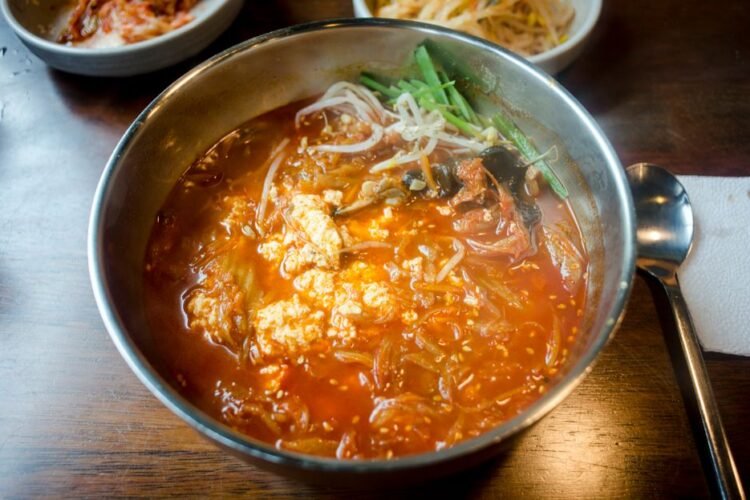
A deeply restorative Korean soup traditionally eaten the morning after a long night. Tender beef, crisp soybean sprouts, and Napa cabbage simmer in a clear, garlic-rich broth that warms from the inside out. Each bowl is a gentle, savory reset for tired bodies.
Prep Time15 mins
Cook Time50 mins
Total Time65 mins
Servings4
Yield4 servings
Nutrition Facts
Per serving (estimated)
- 430 kcalCalories
- 18 gFat
- 6 gSaturated Fat
- 22 gCarbs
- 4 gFiber
- 5 gSugar
- 38 gProtein
- 780 mgSodium
- 920 mgPotassium
- 120 mgCalcium
- 5 mgIron
- 32 mgVitamin C
- 180 mcgVitamin A
Ingredients
For the broth and beef
- 1.5 lb (700 g) beef brisket or shank, rinsed
- 8 cups water
- 1 small onion, halved
- 6 garlic cloves, smashed
- 1-inch piece fresh ginger, sliced
- 1 tbsp Korean coarse sea salt
For the vegetables
- 8 oz (225 g) fresh soybean sprouts, rinsed and trimmed
- 3 cups Napa cabbage, cut into 1-inch pieces
- 1 small daikon radish (about 6 oz), peeled and sliced thin
- 4 green onions, sliced into 1-inch pieces
- 2 tsp toasted sesame oil
For seasoning and serving
- 2 tbsp minced garlic
- 1 tbsp doenjang (Korean soybean paste)
- 1 tsp gochugaru (Korean red pepper flakes), optional
- 1 tsp freshly ground black pepper
- 2 cups steamed short-grain rice, to serve
- 1 tbsp toasted sesame seeds, for garnish
Directions
- In a large heavy pot, combine beef, water, onion, smashed garlic, and ginger. Bring to a boil over high heat, then immediately reduce to a low simmer. Skim off any foam that rises, cover partially, and gently simmer for 35-40 minutes until the beef is fork-tender.
- Remove the beef and set aside to cool slightly. Strain the broth through a fine mesh sieve into a clean pot, discarding the aromatics. Season the broth with Korean sea salt and bring back to a gentle simmer.
- While the broth simmers, slice the cooled beef against the grain into 1/4-inch thick pieces. In a small bowl, mash the minced garlic with doenjang and a ladle of hot broth to make a smooth paste.
- Add the sliced daikon to the simmering broth and cook for 4 minutes until slightly tender but still crisp. Add the Napa cabbage and soybean sprouts, cooking for 2-3 minutes until the sprouts are just wilted but retain their crunch.
- Stir the garlic-doenjang paste into the soup along with green onions, sesame oil, and black pepper. Taste and adjust salt as needed. Add gochugaru now if you prefer a spicier bowl.
- Return the sliced beef to the pot and warm through for 1 minute. Ladle the hot soup into warmed bowls, making sure each gets a generous portion of beef, sprouts, and cabbage.
- Garnish each bowl with a sprinkle of toasted sesame seeds and a few drops of sesame oil. Serve immediately with a small bowl of steamed rice and traditional banchan like kimchi on the side.
Cook’s Notes
- Look for fresh soybean sprouts with yellow bean heads at Korean markets; they have a sweeter, nuttier flavor than mung bean sprouts.
- Skimming the foam during the initial simmer ensures a clean, clear broth, which is the hallmark of good Haejang Guk.
- For an even richer version, soak 2 tablespoons of dried anchovies and a piece of dried kelp in cold water for 30 minutes, then add to the broth while simmering.
- The bean sprouts should stay slightly crunchy; overcooking makes them lose their signature texture and flavor.
- Eat this soup with a bowl of warm steamed rice and a spoon of kimchi – the combination is what really does the hangover-curing work.