 (No Ratings Yet)
 Loading...
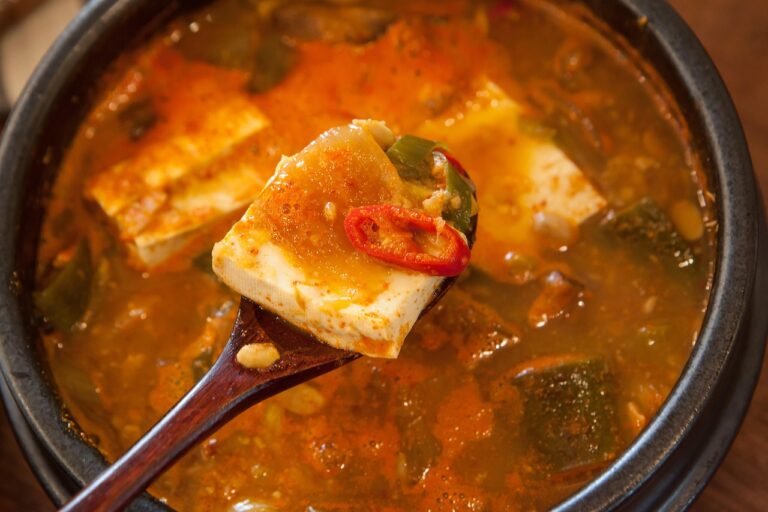
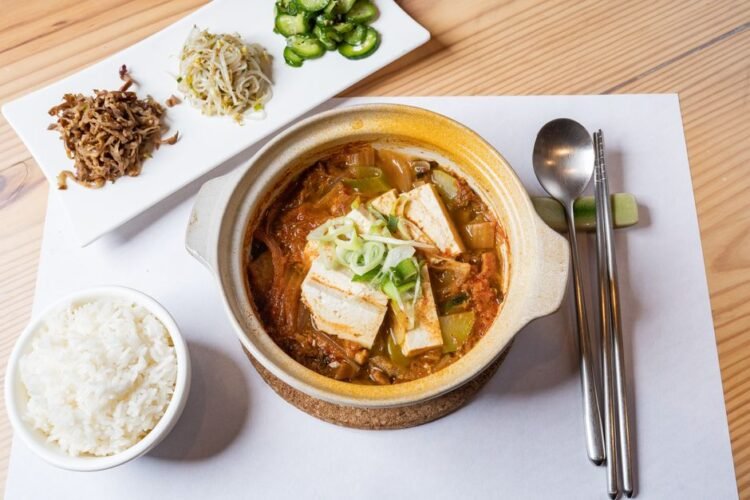
A bubbling Korean classic made with silky silken tofu, plump shrimp, kimchi, and zucchini in a fiery anchovy broth, crowned with a just-set egg. Traditionally served in a sizzling stone pot so it keeps cooking at the table alongside a bowl of warm short-grain rice.
Prep Time10 mins
Cook Time15 mins
Total Time25 mins
Servings4
Yield4 servings
Nutrition Facts
Per serving (estimated)
- 305 kcalCalories
- 14 gFat
- 3 gSaturated Fat
- 14 gCarbs
- 3 gFiber
- 4 gSugar
- 28 gProtein
- 1180 mgSodium
- 720 mgPotassium
- 220 mgCalcium
- 3.5 mgIron
- 22 mgVitamin C
- 85 mcgVitamin A
Ingredients
For the broth base
- 4 cups anchovy stock (or dashi)
- 1 tbsp Korean red pepper flakes (gochugaru)
- 1 tbsp Korean red pepper paste (gochujang)
- 1 tbsp soy sauce
- 4 cloves garlic, finely minced
- 1 tsp toasted sesame oil
- 1/2 tsp kosher salt
For the stew
- 800 g soft silken tofu (sundubu), drained
- 200 g raw shrimp, peeled and deveined
- 1 cup napa cabbage kimchi, chopped
- 1 small yellow onion, thinly sliced
- 1 medium zucchini, sliced into half-moons
- 100 g enoki mushrooms, root trimmed
- 4 scallions, white parts cut into 5 cm pieces
For finishing
- 2 large eggs
- 2 scallions, green parts thinly sliced
- 1 tsp toasted sesame seeds
- 1 tsp toasted sesame oil, for drizzling
Directions
- In a heavy-bottomed pot or traditional stone bowl, whisk together the anchovy stock, gochugaru, gochujang, soy sauce, minced garlic, sesame oil, and salt until smooth, then bring to a rolling boil over medium-high heat.
- Add the chopped kimchi, sliced onion, and zucchini to the boiling broth and simmer for 3 minutes until the vegetables just begin to soften and release their aroma.
- Stir in the enoki mushrooms and shrimp, cooking for 2 minutes until the shrimp turn pink and curl into loose C-shapes.
- Spoon the soft tofu in large, rustic chunks on top of the simmering stew, being careful not to stir or break it up; let it warm through for about 2 minutes.
- Crack one egg gently into the center of each portion (or one per two servings in a shared pot), cover, and cook undisturbed for 1 to 2 minutes so the whites set while the yolk stays gloriously runny.
- Scatter the white scallion pieces over the top, drizzle with the finishing sesame oil, and bring the pot straight to the table while it is still bubbling vigorously.
- Garnish with thinly sliced green scallions and a pinch of toasted sesame seeds just before ladling into bowls.
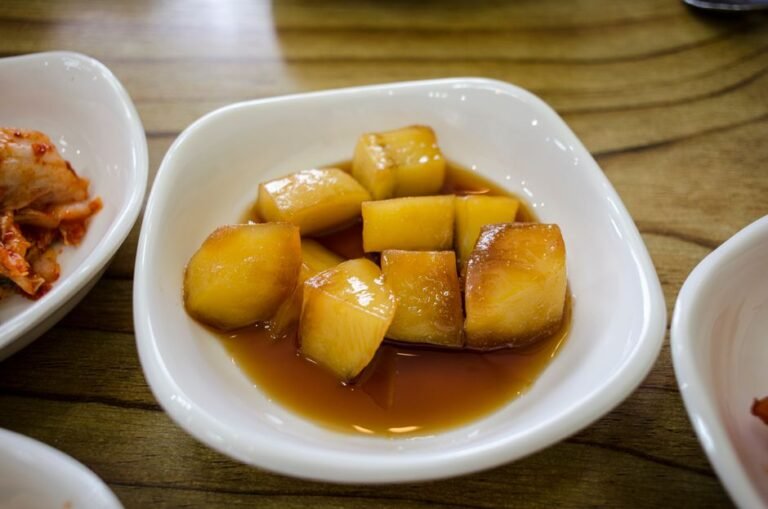
- Serve immediately with steamed short-grain rice and a few simple banchan; eat quickly while the tofu is silky and the broth is at its most fragrant.
Cook’s Notes
- Use the freshest soft silken tofu you can find — Korean markets sell it in plastic tubes labeled sundubu, and it should jiggle when shaken.
- For the most authentic experience, ladle the stew into preheated individual stone bowls (ttukbaegi) so it continues bubbling dramatically at the table.
- Adjust the gochugaru up or down to suit your heat tolerance; a milder version suitable for children uses just 1 teaspoon.
- Resist stirring once the egg is cracked in — a runny yolk that bursts into the broth is the signature moment of the dish.
- Substitute fresh clams, blue crab, or sliced pork belly for the shrimp depending on what's most traditional at your local Korean restaurant.