 (No Ratings Yet)
 Loading...
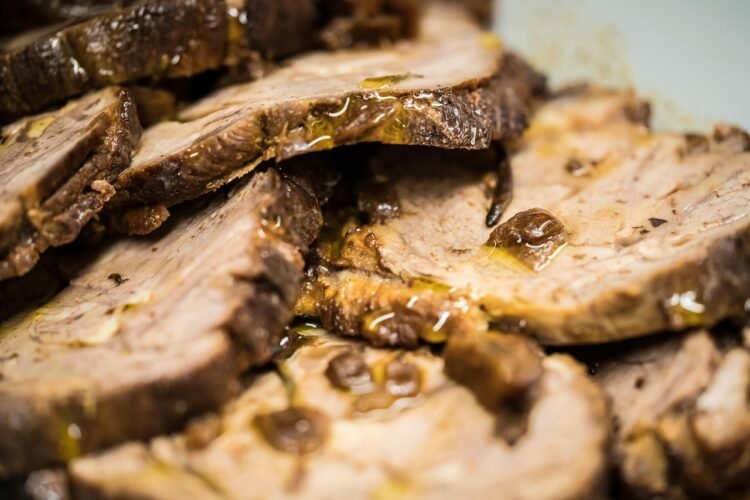
Jokbal is a beloved South Korean classic in which pig's trotters are gently simmered for hours in an aromatic soy-based broth until the collagen-rich meat turns silky and the skin becomes tenderly gelatinous. Served with crisp lettuce leaves, sliced raw garlic, and ssamjang, this dish is the centerpiece of Korean drinking food culture and a favorite for gatherings.
Prep Time20 mins
Cook Time210 mins
Total Time230 mins
Servings4
Yield4 generous servings
Nutrition Facts
Per serving (estimated)
- 720 kcalCalories
- 45 gFat
- 14 gSaturated Fat
- 18 gCarbs
- 2 gFiber
- 12 gSugar
- 55 gProtein
- 1850 mgSodium
- 720 mgPotassium
- 95 mgCalcium
- 4.5 mgIron
- 8 mgVitamin C
- 25 mcgVitamin A
Ingredients
For the Trotters
- 2 pig front trotters (about 3 lbs / 1.4 kg total), hair removed and split lengthwise through the bone
- 2 tablespoons coarse kosher salt
- 1/4 cup Korean rice wine (cheongju)
- 8 cups water for blanching
For the Braising Sauce
- 1/2 cup Korean soy sauce (jin ganjang)
- 1/4 cup Korean rice wine (cheongju)
- 2 tablespoons granulated sugar
- 2 tablespoons honey or corn syrup
- 2 tablespoons doenjang (Korean fermented soybean paste)
- 1 tablespoon toasted sesame oil
- 8 cups cold water
Aromatics and Spices
- 1 small Korean radish (mu), peeled and cut into 2-inch chunks
- 1 large yellow onion, peeled and quartered
- 1 whole head garlic, halved crosswise
- 1 small Asian pear, cored and quartered (or 1/4 cup unsweetened pear juice)
- 1 inch fresh ginger, smashed with the side of a knife
- 1 cinnamon stick
- 2 star anise pods
- 2 bay leaves tied with 1 teaspoon whole black peppercorns in cheesecloth
To Finish and Serve
- 1 head butter lettuce, leaves separated and washed
- 8 fresh perilla leaves (kkaennip), optional
- 1/2 cup ssamjang (spicy fermented soybean dipping sauce)
- 6 cloves garlic, thinly sliced
- 3 green onions, cut into 2-inch batons
- 1 teaspoon toasted sesame seeds, for garnish
Directions
- Place the cleaned trotters in a large stockpot and cover with 8 cups cold water. Add the 2 tablespoons of salt and 1/4 cup rice wine, then bring to a rolling boil over high heat. Boil vigorously for 10 minutes to purge impurities, then drain and rinse the trotters thoroughly under cold running water, scrubbing away any scum or bone fragments.
- Return the blanched trotters to the clean pot and add the soy sauce, 1/4 cup rice wine, sugar, honey, doenjang, and 8 cups of fresh water. Stir gently to dissolve the doenjang, then add the Korean radish, onion, garlic, Asian pear, ginger, cinnamon stick, star anise, and the cheesecloth spice pouch.
- Bring the liquid to a boil over high heat, then immediately reduce to the lowest possible simmer. Skim any foam that rises to the surface with a fine-mesh spoon. Partially cover and braise gently for 2 hours and 30 minutes, turning the trotters every 30 minutes so they color evenly and absorb the broth on all sides.
- Test for doneness by piercing the thickest part of the meat near the bone with a chopstick; it should slide in with almost no resistance and the skin should jiggle like jelly. If still firm, continue simmering for another 20 to 30 minutes.
- Once fork-tender, remove and discard the aromatics (radish, onion, pear, ginger, and spice pouch). Increase the heat to medium-high and reduce the cooking liquid by about one-third, about 15 to 20 minutes, until it coats the back of a spoon with a glossy, savory glaze. Stir in the toasted sesame oil off the heat.
- Carefully lift the trotters from the pot and arrange them on a warm serving platter. Spoon a few tablespoons of the reduced glaze over the top and sprinkle with toasted sesame seeds. Reserve the remaining broth for dipping or for reheating leftovers.
- Present the platter alongside the lettuce cups, perilla leaves, sliced raw garlic, green onions, and a small bowl of ssamjang. To eat, diners take a leaf, layer on a piece of trotter with garlic and green onion, and finish with a dab of ssamjang before wrapping and eating in one bite.
- Pair with steamed Korean short-grain rice, cold buckwheat noodles (memil guksu), or a simple kimchi to balance the richness of the braised pork.
Cook’s Notes
- Choose front trotters (called 'apjok') when possible because they are smaller, meatier, and more tender than hind trotters, which tend to be fattier and tougher.
- The Asian pear is non-negotiable for authentic flavor; its natural bromelain and malic acid gently tenderize the meat while adding a subtle sweetness that balances the soy sauce.
- For an extra-glossy presentation, brush the braised trotters with a glaze made from 2 tablespoons of the reduced braising liquid mixed with 1 teaspoon honey, then broil 4 inches from the heat for 2 to 3 minutes until lacquered.
- Leftover trotters keep refrigerated in their braising liquid for up to 4 days; slice and serve cold as bossam-style banchan, or reheat gently in the reserved broth to restore the silky texture.
- Traditionally jokbal is paired with cheonggukjang (fermented soybean stew) or a simple doenjang dipping sauce thinned with a splash of the braising liquid for a deeply savory finish.