 (No Ratings Yet)
 Loading...
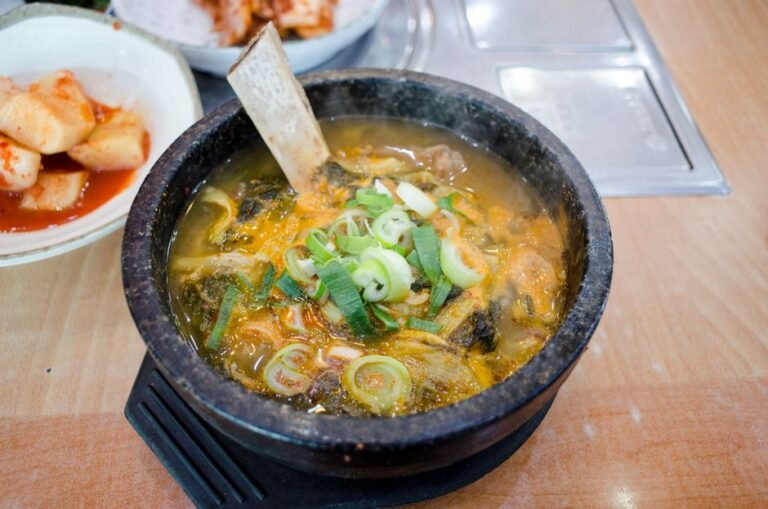
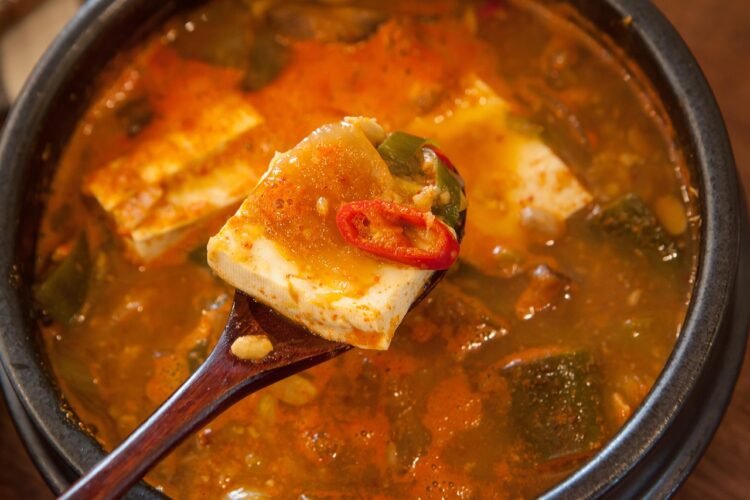
Hwangtae is a traditional Korean dried Alaska pollock that is cold-air cured during the winter months, giving it a uniquely deep, savory flavor. This rustic stew (hwangtae-jjigae) combines the rehydrated fish with crisp Korean radish, soybean sprouts, and tofu in a gently spicy, soul-warming broth. It is one of Korea's most beloved cold-weather comfort dishes, typically served bubbling hot alongside steamed rice.
Prep Time20 mins
Cook Time35 mins
Total Time55 mins
Servings4
Yield4 servings
Nutrition Facts
Per serving (estimated)
- 280 kcalCalories
- 5 gFat
- 1 gSaturated Fat
- 18 gCarbs
- 4 gFiber
- 6 gSugar
- 38 gProtein
- 920 mgSodium
- 850 mgPotassium
- 180 mgCalcium
- 3 mgIron
- 25 mgVitamin C
- 25 mcgVitamin A
Ingredients
For the Pollock
- 200 g hwangtae (dried Alaska pollock)
- 4 cups cold water, for soaking
- 1 tbsp mirin or Korean cooking wine
For the Stew
- 6 cups water or anchovy-kelp broth
- 2 cups Korean radish (mu), peeled and cubed
- 1.5 cups fresh soybean sprouts, rinsed
- 1 tbsp gochujang (Korean chili paste)
- 1 tbsp gochugaru (Korean chili flakes)
- 1 tbsp soy sauce
- 4 garlic cloves, minced
- 1 tsp fresh ginger, grated
- 1/2 block firm tofu (about 150 g), cubed
- 2 cups napa cabbage, roughly chopped
For Finishing
- 2 green onions, sliced on the diagonal
- 1 tsp kosher salt, or to taste
- 1 tsp toasted sesame oil
- 1 tsp doenjang (Korean soybean paste), optional
Directions
- Place the dried pollock in a large bowl, cover with 4 cups cold water, and soak for 2 to 4 hours (or overnight in the refrigerator) until softened. Drain well, pat dry, and tear into bite-sized pieces, pinching out any small bones.
- In a heavy pot or Korean stone pot (ttukbaegi), combine the broth, Korean radish, and soybean sprouts. Bring to a rolling boil over high heat, then reduce to medium and simmer for 10 minutes until the radish is just tender.
- Add the rehydrated pollock, gochujang, gochugaru, soy sauce, garlic, ginger, and optional doenjang. Stir gently and simmer uncovered for 12 minutes so the fish releases its flavor into the broth.
- Add the tofu cubes and napa cabbage, simmering another 4 to 5 minutes until the cabbage wilts and tofu is heated through.
- Stir in the sesame oil and season with salt, tasting carefully because the dried fish already contributes saltiness.
- Ladle into individual stone bowls if available, scatter green onions over the top, and bring to the table bubbling hot.
- Serve immediately with short-grain steamed rice, kimchi, and other banchan so diners can adjust the seasoning and enjoy the stew at its peak heat.
Cook’s Notes
- Always soak hwangtae long enough; under-soaked fish stays tough and overly salty. Taste a small piece before cooking.
- Use Korean radish (mu) rather than daikon when possible – it is denser and gives the broth a sweeter, cleaner flavor.
- A Korean stone pot (ttukbaegi) keeps the stew bubbling at the table; if using a regular pot, reheat briefly before serving.
- Soybean sprouts are essential – they add nutty depth and a signature aroma to the broth, so don't substitute with mung bean sprouts.
- Adjust the gochugaru and gochujang to taste; traditional recipes vary from mild and comforting to boldly spicy depending on region.