 (No Ratings Yet)
 Loading...
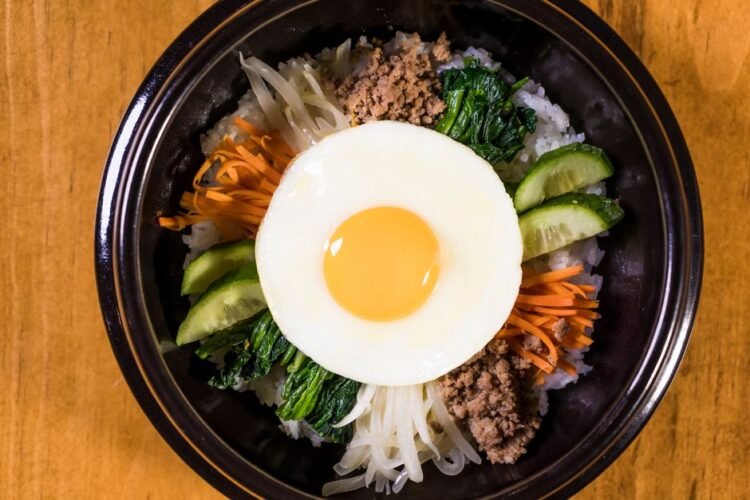
Dolsot bibimbap is the sizzling, crisp-bottomed Korean classic where steamed short-grain rice is finished in a scorching stone bowl until a golden crust forms beneath. Each diner tops the rice with marinated beef, seasoned vegetables, a fried egg, and a fiery gochujang sauce, then mixes everything together tableside for a deeply savory one-bowl meal.
Prep Time30 mins
Cook Time35 mins
Total Time65 mins
Servings4
Yield4 servings
Nutrition Facts
Per serving (estimated)
- 720 kcalCalories
- 26 gFat
- 7 gSaturated Fat
- 78 gCarbs
- 6 gFiber
- 11 gSugar
- 38 gProtein
- 890 mgSodium
- 720 mgPotassium
- 95 mgCalcium
- 5.5 mgIron
- 18 mgVitamin C
- 380 mcgVitamin A
Ingredients
For the rice and stone bowl
- 2 cups Korean short-grain rice, rinsed until water runs clear
- 2 1/2 cups water
- 2 tbsp toasted sesame oil, divided
- 1 tsp kosher salt
For the bulgogi-style beef
- 1 lb beef sirloin, thinly sliced across the grain
- 3 tbsp soy sauce
- 1 tbsp grated Asian pear (or 1 1/2 tsp sugar)
- 1 tbsp mirin
- 1 tbsp toasted sesame oil
- 2 cloves garlic, minced
- 1/2 tsp freshly ground black pepper
- 2 scallions, thinly sliced
For the seasoned vegetables (namul)
- 4 oz spinach, rinsed
- 4 oz soybean sprouts, rinsed
- 1 medium carrot, julienned
- 1 medium zucchini, julienned
- 4 dried shiitake mushrooms, rehydrated and sliced
- 2 tsp toasted sesame oil, plus more for finishing
- 1 tsp toasted sesame seeds
- 1 clove garlic, minced
- 1/2 tsp kosher salt, plus more as needed
For the gochujang sauce
- 3 tbsp gochujang (Korean red chili paste)
- 1 tbsp toasted sesame oil
- 1 tbsp sugar
- 1 tbsp water
- 1 tsp rice vinegar
- 1 clove garlic, minced
- 1 tsp toasted sesame seeds
For topping and garnish
- 4 large eggs
- 1 sheet roasted seaweed (gim), cut into thin strips
- 1 cup chopped kimchi, optional
- 1 tbsp toasted sesame seeds
- 2 scallions, thinly sliced
Directions
- Cook the rice: combine rinsed rice, water, 1 tsp sesame oil, and salt in a rice cooker or heavy pot. Cook until tender, then let rest 10 minutes, fluff, and keep warm.
- Marinate the beef: in a bowl, whisk soy sauce, grated pear, mirin, sesame oil, garlic, pepper, and scallions. Add the sliced beef, toss to coat, and marinate 20 minutes at room temperature.
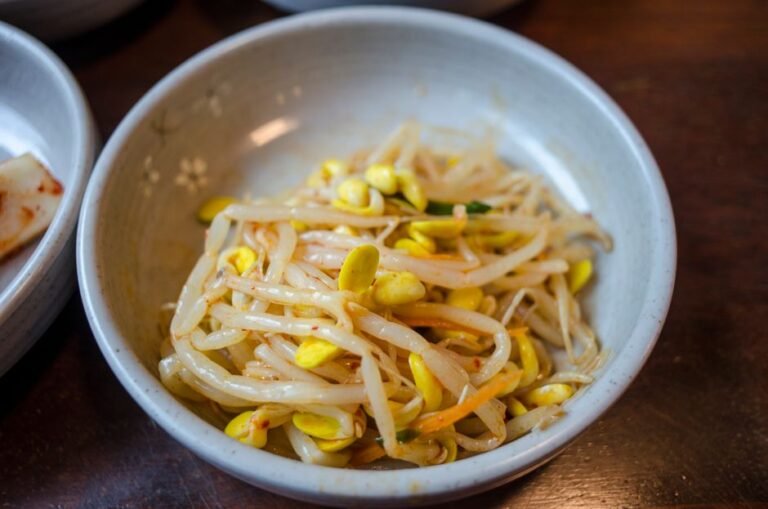
- Prepare each namul separately so colors and textures stay clean. Blanch spinach in salted boiling water for 30 seconds, drain, squeeze out moisture, and toss with 1 tsp sesame oil, half the minced garlic, half the sesame seeds, and a pinch of salt. Repeat the blanch-and-season method for the soybean sprouts, seasoning with salt and a drizzle of sesame oil. Stir-fry the carrot in a dry pan over medium heat for 2 minutes, then season with a pinch of salt. Repeat with the zucchini. Sauté the rehydrated shiitake in a touch of sesame oil with remaining garlic for 3 minutes until tender.
- Make the gochujang sauce: whisk gochujang, sesame oil, sugar, water, rice vinegar, garlic, and sesame seeds in a small bowl until smooth. Set aside.
- Sear the beef: heat a large skillet or cast-iron pan over high heat until just smoking. Cook the marinated beef in a single layer for 2 to 3 minutes, turning once, until caramelized at the edges. Transfer to a plate.
- Heat the stone bowls (dolsots): brush the inside of each dolsot with about 1 tsp sesame oil and place over medium-high heat on the stovetop for 8 to 10 minutes until extremely hot and lightly smoking. (Work in batches if needed.) Add 1 cup of warm rice to each bowl, spreading it evenly and pressing gently so a crust can form; let cook 5 to 7 minutes without stirring.
- Fry the eggs sunny-side up in a small nonstick pan with a touch of oil until the whites are crisp and the yolks remain runny.
- Assemble: arrange a portion of beef, spinach, bean sprouts, carrot, zucchini, and shiitake over the rice in separate sections, keeping colors distinct. Top with a fried egg, scatter seaweed strips, scallions, sesame seeds, and kimchi if using.
- Serve immediately with the gochujang sauce on the side. Instruct diners to pour the sauce over the bowl and mix vigorously from the bottom up so the crispy rice crust shatters into the toppings.
Cook’s Notes
- If you do not have a dolsot, use a small cast-iron skillet preheated over medium-high for 5 minutes; it produces a similarly crisp rice crust.
- Always preheat the stone bowl thoroughly before adding rice; a cold bowl will not produce the signature nurungji (toasty rice) layer.
- Cook each namul in its own pan rather than combining, which preserves individual flavors and keeps the presentation vibrant.
- For a vegetarian version, replace the beef with 8 oz of sautéed firm tofu or extra shiitake and double the egg or skip it for vegan.
- Adjust the gochujang sauce to taste; add an extra teaspoon of gochugaru for more heat or a splash more rice vinegar for tang.